Call Expert
Garment Manufacturing Space · Fire-NOC Cleared · NCR

6 Truths About Garment Manufacturing Space — Before You Sign

Six things only a garment manufacturing property expert would say. Every one of them has cost an operator a fire NOC, a goods lift, or a full floor of Juki machines sitting idle.

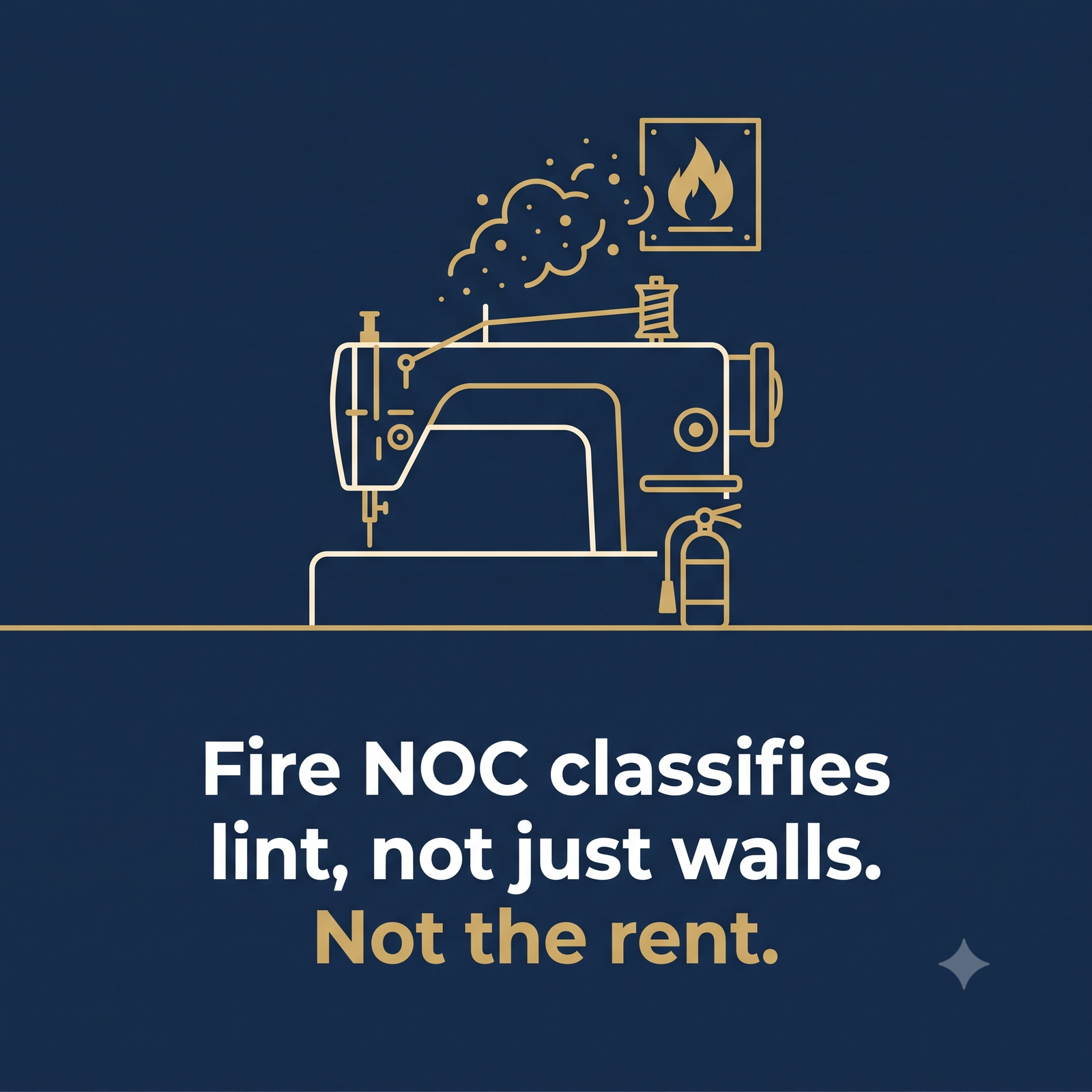
Fire NOC classifies lint, not just walls — not the rent
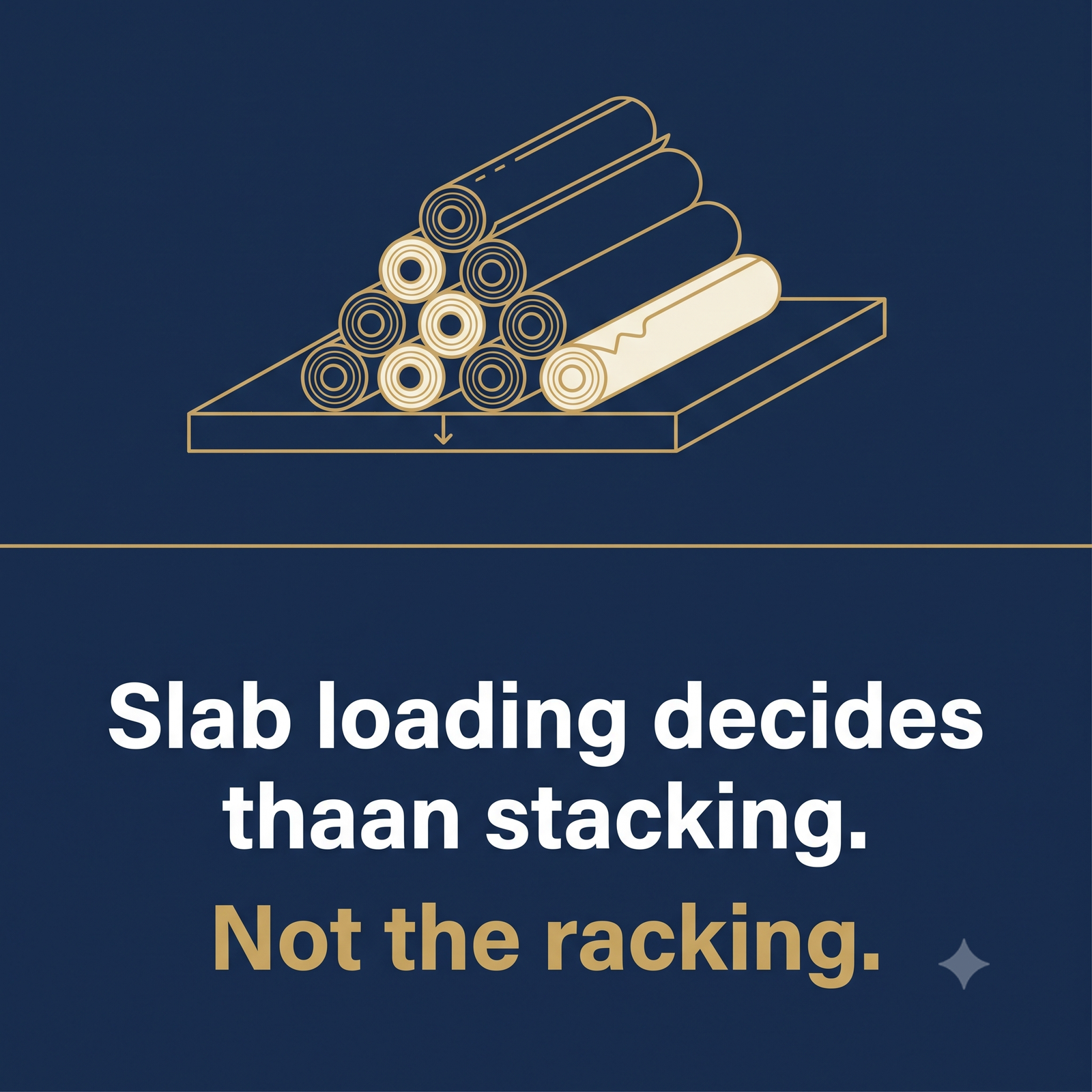
Slab loading decides thaan stacking — not the racking
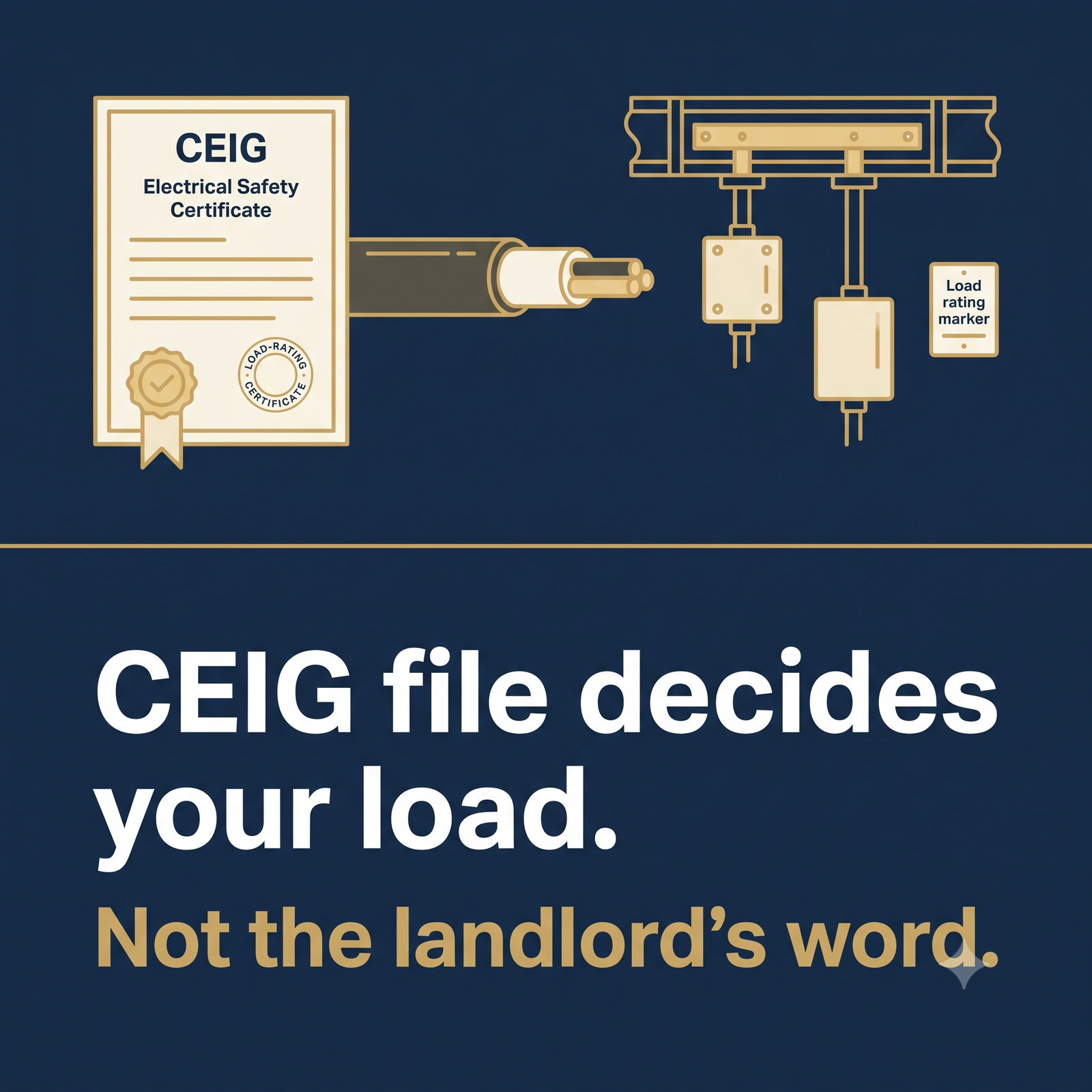
CEIG file decides your load — not the landlord's word
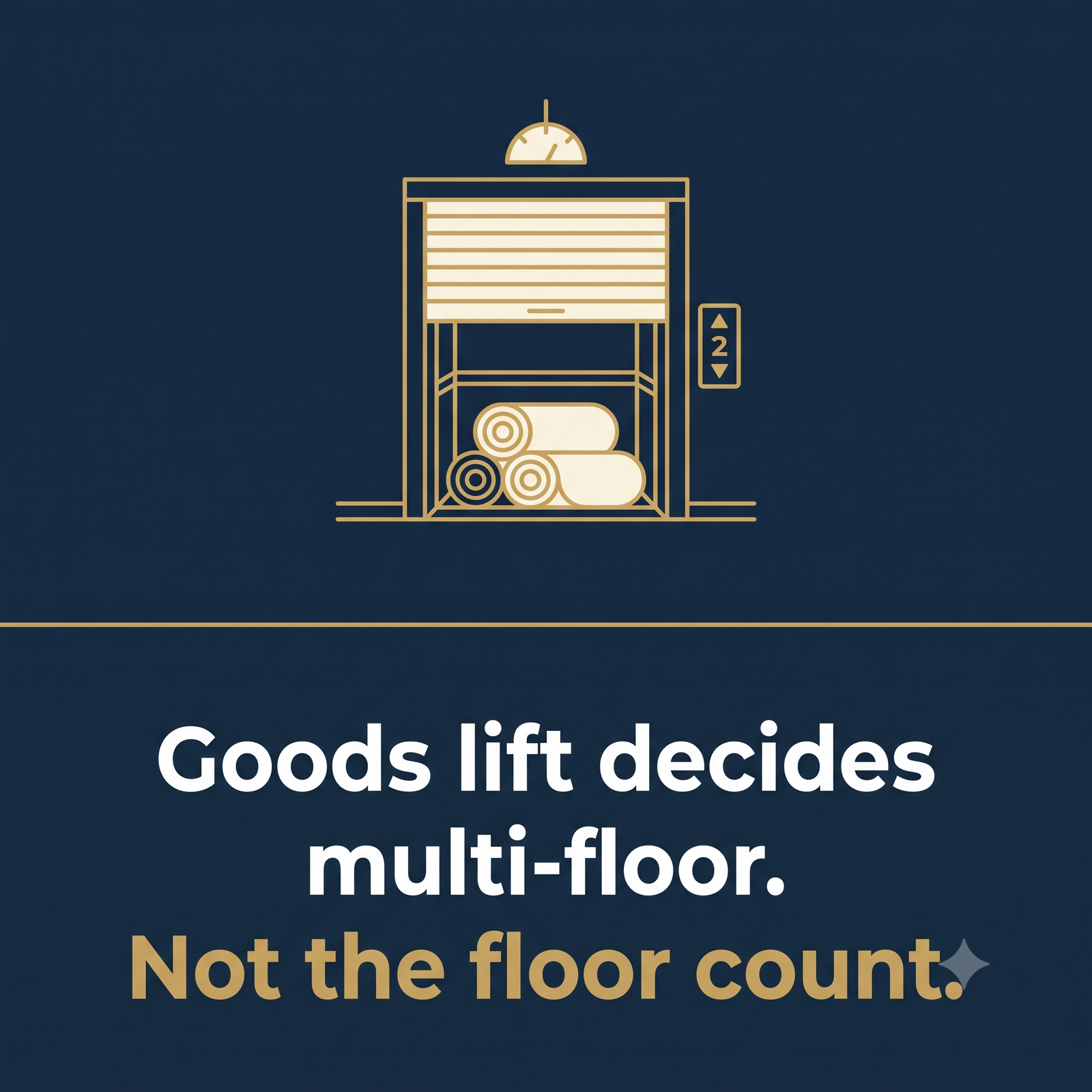
Goods lift decides multi-floor — not the floor count
Green consent can't run a dye house — we check the file
Scroll down — every step is mapped

Before you commit to garment manufacturing space in the NCR, six things matter more than the rent. Whether the fire NOC classifies textile lint as a fire load — a general industrial NOC does not cover a stitching floor of Juki machines. Whether the slab loading holds up under stacked thaan rolls, not just machines. Whether the CEIG file on record carries your full load — the landlord's word is not the sanctioned KVA. Whether the building has a dedicated 2-tonne goods lift for multi-floor thaan and bale movement — passenger lifts don't count. Whether the HSPCB file is Green (stitching only) or Orange/Red — Green consent cannot run a dye house. And whether every step from fire NOC verification to first container dispatch is mapped before you sign.

Garment Manufacturing Space That Passes Buyer Audit — Before the First Juki Switches On

Fire-cleared, busbar-ready, goods-lift-verified units across Farukhnagar, Pataudi, Luhari and IMT Bawal — matched to your line layout and machine count.

What We Check That Others Don't

A standard site visit covers rent, sq ft and "fire NOC hai". Here's the level of detail a working garment unit actually needs.

ItemTypical checkWhat UdyogAxis checks
Fire NOC"Fire NOC hai"Whether it classifies lint as a fire load, sprinkler coverage for the racking height, escape route count for high-density karigar floors
Slab loading"Floor theek hai"Loading in T/sqm — 3–5 for thaan storage, 1.5–2.5 for stitching floor, point-load verification on upper floors
CEIG & busbar"Connection hai"CEIG certificate on file vs sanctioned KVA, overhead busbar trunking at ceiling level, drop-down tap-off per line
Goods lift"Lift hai"Dedicated goods lift vs passenger, capacity (2 tonnes minimum), shutter clearance, multi-floor thaan movement feasibility
HSPCB consent"Industrial hai"Green/Orange/Red category, coverage for dyeing/washing/printing, ETP if applicable, validity of consent
Clear height"Height hai"4.5–5 m for stitching floor, 6–8 m for thaan storage racking, mezzanine headroom if multi-level
Dock & loading"Dock hai"Dock height vs 40-ft container bed, roller door clearance for volumetric bale loading, apron depth, weather protection
Lighting & exhaust"Light hai"Lux levels for precision stitching, exhaust provisions for lint and fabric dust, make-up air balance
Labour compliance"Chalta hai"Building-level safety compliance for labour licence, exit clearances, restroom counts per floor, EHS audit readiness
CLU & building plan"Industrial hai"Whether CLU permits garment manufacturing specifically, building plan vs actual, approved mezzanine for mezz floors

📊 Indicative Price Ranges

What garment manufacturing space roughly costs across the NCR belt today — anchored before you start visiting.

Rent — Per Sq Ft / Month

Farukhnagar / Pataudi₹22 – 38
Kherki Daula / Binola₹28 – 45
Luhari / Bilaspur₹18 – 30
IMT Manesar₹28 – 45
IMT Bawal₹16 – 28

Buy — Per Sq Ft

Farukhnagar / Pataudi₹3,000 – 5,500
Kherki Daula / Binola₹4,000 – 7,000
Luhari / Bilaspur₹2,500 – 4,500
IMT Manesar₹4,000 – 6,500
IMT Bawal₹2,200 – 4,000

Rates are indicative for 2026. Garment manufacturing rents depend on fire NOC coverage, CEIG-sanctioned load, goods lift provision and dock configuration. Purpose-built multi-floor garment units with existing busbar trunking and goods lift command a 20–30% premium over generic industrial space. Call for current live inventory.

🔍 Our Site-Visit Checklist

Seven Things We Verify Before You Sign

What we walk through on every garment manufacturing site visit — because these are the details that decide whether a unit works or quietly costs you later.

  1. 01Whether the fire NOC specifically classifies textile lint as a fire load and covers high-density karigar floors
  2. 02Whether the slab holds up under stacked thaan rolls on the ground and upper floors
  3. 03Whether the CEIG file on record covers your full load — not a verbal figure from the landlord
  4. 04Whether the building has a dedicated 2-tonne goods lift — passenger lifts don't move thaan
  5. 05Whether the HSPCB file is Green or Orange/Red — Green consent cannot run a dye house
  6. 06Whether dock height, roller door clearance and apron depth can load a 40-ft container at full volume
  7. 07Whether the drive to your largest buyer's pickup or the ICD adds 20 minutes or 2 hours to every dispatch
🗺️ Geography of the Trade

The NCR Garment Belt — Who Sits Where

The five belts most garment manufacturers end up choosing between, and what each is actually good for.

Farukhnagar / Pataudi

Traditional Garment Belt

Established garment and textile cluster with strong karigar labour pools for stitching, finishing and packing. Older industrial stock — verify fire NOC for textile lint and CEIG file for busbar building by building. Best for mid-size stitching units and export-oriented garment manufacturing needing 5,000–20,000 sq ft.

Kherki Daula / Binola

Highway Access, Modern Stock

NH-48 corridor with fast dispatch to Delhi, Jaipur and the ICD. Newer construction with proper fire NOC coverage for textile operations and modern busbar trunking. Preferred by export-oriented garment manufacturers and D2C brand suppliers. Higher rents but superior compliance and logistics infrastructure.

Luhari / Bilaspur

Large-Format Manufacturing

Warehouse-adjacent belt with large plots and lower rents. Best for volume garment manufacturing with integrated thaan storage and finished goods operations. Suited to basic apparel and mass-market production needing 20,000+ sq ft. Verify HSPCB file — some plots have restrictions on washing and dyeing operations.

IMT Manesar

Premium Spec Infrastructure

Purpose-built industrial belt with modern power and drainage infrastructure. Suited to premium retail and branded garment manufacturing. Higher rents than Farukhnagar but better spec. Verify CLU permits garment manufacturing and that multi-floor units have proper goods lift and fire NOC coverage.

IMT Bawal

Export & ICD Access

Best for export-oriented garment manufacturing needing container ICD proximity. Lowest rents in the NCR HSIIDC network. Suited to bulk export orders and private label manufacturing. Verify HSPCB category and fire NOC carefully — the lower cost often reflects older compliance infrastructure.

✂️ FROM THAAN INTAKE TO EXPORT DISPATCH — EVERY ZONE MATTERS ✂️

Built for the Way Garments Are Actually Made

Fire-Cleared · Busbar-Ready · Goods-Lift Verified

From lint fire load classification to overhead busbar trunking, we match each square foot to how your Juki line runs — and to what the buyer's audit team will ask of the building.

Juki-type lockstitch machine with lint and fire placard

📄 Fire NOC — Lint Is a Fire Load, Not Just Dust

Textile lint ignites fast and spreads along ceilings. A fire NOC issued for a machine shop or general storage does not cover it. The building needs textile-class sprinkler coverage, unblocked escape routes for high-density karigar floors, and clean ducting.

UdyogAxis Insight: Most landlords don't understand textile fire load classification. We check the fire NOC document against your actual stitching floor — and flag if the coverage is inadequate before you commit.
🧵 SLAB LOAD, CEIG LOAD, GOODS LIFT — THREE HARD NUMBERS 🧵
Thaan rolls stacked on floor slab cross-section

🧵 Slab Loading and CEIG Load — Two Numbers, One Line

Bulk thaan rolls need 3–5 T/sqm slab loading. A 100-machine Juki floor needs 60–100 KW with the CEIG certificate on file matching your machine count. If either is short, the line layout has to be redesigned — or the unit is wrong.

UdyogAxis Insight: We verify the slab loading certificate and the CEIG-sanctioned KVA — not the landlord's word. Both numbers decide whether the unit works for your machine count and thaan storage plan.
🏢 GOODS LIFT AND MULTI-FLOOR LAYOUT 🏢
Goods lift with thaan rolls inside

🏢 Goods Lift — Passenger Lifts Don't Move Thaan

A multi-floor garment unit moves thaan rolls and finished bales between floors constantly. Manual movement damages material and slows production. A dedicated goods lift with at least 2-tonne capacity is standard.

UdyogAxis Insight: We check whether the goods lift exists, its capacity, and whether it's genuinely dedicated or shared with passenger use. Shared lifts get blocked during peak movement hours.
🧪 HSPCB FILE AND DYE VATS — THE CATEGORY FOLLOWS YOUR PROCESS 🧪
Dye vat cross-section with Green category consent document

🧪 HSPCB File — Green Consent Can't Run a Dye House

Stitching-only garment units fall under Green. Washing and dyeing push you to Orange or Red, which requires an ETP and specific effluent discharge infrastructure. The category follows the process, not the rent.

UdyogAxis Insight: Many plots in NCR industrial belts restrict dyeing operations. If the consent category on file is Green and you plan a dye house, you're blocked. We verify the file against your intended process before you sign.
🚛 DOCKS AND DISPATCH — EXPORT CONTAINERS DON'T WAIT 🚛
Export container loading bay for garment dispatch

🚛 Dock Height, Roller Door, Apron — Three Numbers for Container Loading

Export garment dispatch loads 40-ft containers with volumetric bales. Dock height, roller door clearance, and apron depth all matter — a mismatch adds detention charges and misses shipping deadlines at the ICD.

UdyogAxis Insight: We check roller door height against your tallest packed bale and apron depth against a fully loaded 40-ft trailer. Small gate, big problem — and it shows up on every dispatch.
❓ Common Questions

Questions We Get Asked Before Every Garment Deal

The eight questions that come up most often from garment manufacturers during a site search.

What fire NOC category applies to garment manufacturing?
Garment manufacturing with high-density stitching floors and bulk thaan storage typically falls under the Business or Storage occupancy category with a specifically flammable load classification. The NOC must cover textile lint as a fire load, sprinkler coverage for the racking height, and unblocked escape routes for high-density karigar floors. A general industrial NOC issued for machine shops does not cover garment operations.
What slab loading do I need for thaan storage?
Bulk thaan rolls stacked horizontally require 3-5 T/sqm slab loading. High-density racking for bulk fabric can push to 5-6 T/sqm. Stitching floors with machines and operators typically run 1.5-2.5 T/sqm. If you plan multi-storey operation, verify the loading on each floor separately — most buildings only certify the ground floor at full spec.
What power load does a garment unit need?
A stitching floor running 100-150 Juki-class machines requires 60-100 KW of power depending on motor ratings and lighting. Add HVAC and the requirement rises another 20-30 KW per 10,000 sq ft. Bulk washing, dyeing or finishing adds significantly higher load. Verify that overhead busbar trunking is installed at ceiling level — floor-level extension boards across a high-density stitching floor fail every buyer audit.
Do I need a goods lift for a multi-floor garment unit?
Yes, in almost every multi-floor garment unit. Manual movement of thaan rolls and finished bales between floors is impractical at scale. A dedicated goods lift with at least 2-tonne capacity is standard. In buildings with only passenger lifts, moving fabric between floors requires hand-carrying, which adds cost, damages material, and slows production. Verify the lift capacity and whether it can be converted for goods use.
What HSPCB consent category applies to garment and textile units?
Garment manufacturing with only stitching and finishing falls under Green category — no process effluent. Units with washing, dyeing or printing fall under Orange or Red depending on effluent volume and chemical usage. Green consent cannot run a dye house. The category determines whether an Effluent Treatment Plant is required. Verify the plot's existing consent category before committing — some industrial areas have restrictions on dyeing operations.
What clear height is needed for garment manufacturing?
A stitching floor needs 4.5-5 metres clear height for lighting fixtures, exhaust ducting and busbar trunking. Thaan storage zones with high racking may need 6-8 metres. Cutting floors with large tables and overhead fabric laying equipment need 5-6 metres. Multi-level mezzanine stitching floors require additional headroom for the structure itself plus the working height below.
What dock configuration suits export garment dispatch?
Export garment dispatch typically loads 40-ft containers. You need at least 2-3 dock bays with 1.2 m dock height, dock levellers with 300-500 mm range, and apron depth of at least 15 metres for trailer maneuverability. Roller door height of 3 metres or more handles volumetric bale loading. Weather protection over the dock prevents moisture damage during monsoon loading.
Where should I set up garment manufacturing in the NCR?
Farukhnagar and Pataudi suit garment units with lower rents and established karigar labour pools for stitching operations. Luhari and Bilaspur work for larger units with integrated warehouse operations. IMT Bawal is best for export-oriented garment manufacturing with container access to the ICD. IMT Manesar suits premium retail and branded garment manufacturing. Verify fire NOC for textile lint coverage, CEIG file for power load, and goods lift capacity before committing.
Garment manufacturing partnership handshake

Let's Find the Unit That Fits Your Garment Line

Parmod Yadav has spent 15 years in the NCR industrial property market. We verify fire NOC, slab loading, CEIG file, goods lift, HSPCB category and dock configuration on every unit before recommending it — and we'll tell you when to walk away.

Call Parmod: +91 98118 29911 WhatsApp
Call 9811829911 WhatsApp