What does "HSIIDC-compliant" mean for auto parts manufacturing?
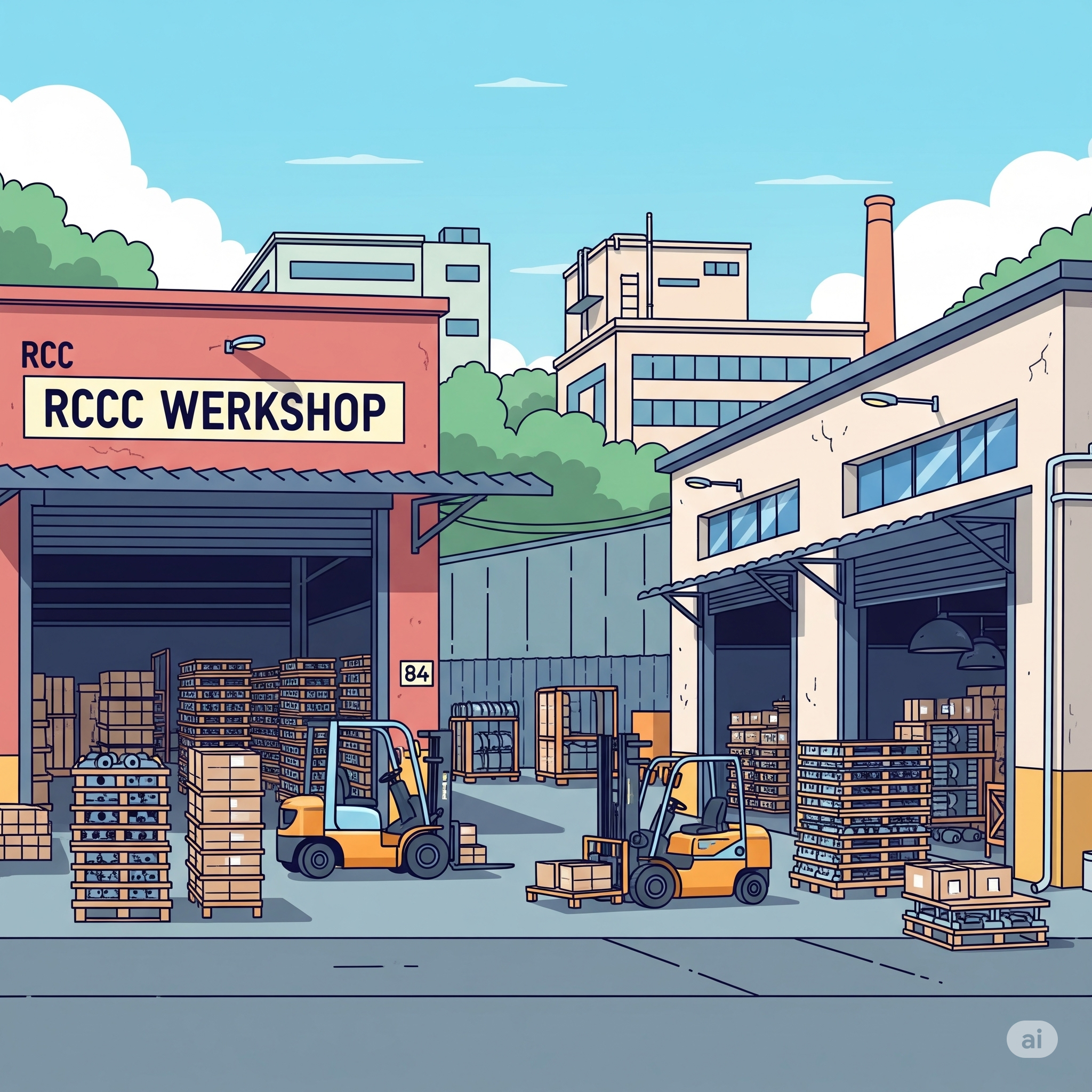
HSIIDC compliance means the building has correct industrial land use, an approved building plan, fire NOC, and electrical load sanctioned for manufacturing. For auto components specifically, it also means the shell can take CNC machinery without structural changes and can pass an OEM or IATF audit without remediation. "Approved hai" from a landlord is not the same thing — the documents have to match what's actually been built.
What size unit do I need for CNC machining?
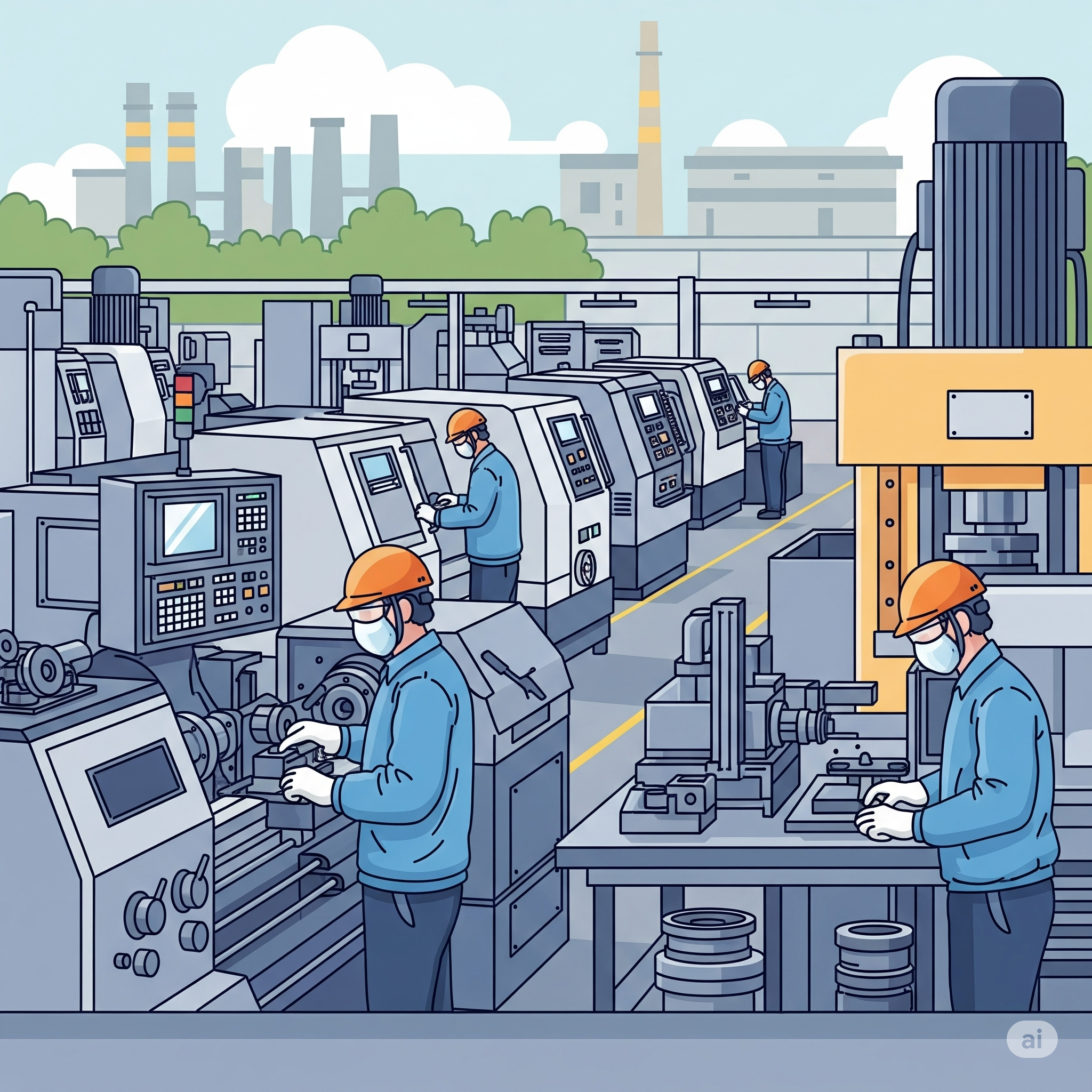
A single VMC typically needs 2,000–4,000 sq ft. A multi-machine CNC floor with tooling, inspection and material storage runs 6,000–15,000 sq ft. Assembly and QA add another 30–40% on top of the machining footprint. We size the unit against your 3-year production plan, not just your current machine count.
What are current rates in Udyog Vihar vs IMT Manesar?
Broadly, rent in Udyog Vihar runs ₹35–65 per sq ft per month; IMT Manesar runs ₹25–45; IMT Bawal runs ₹18–32. Buy prices range from ₹6,500–11,000 per sq ft in Udyog Vihar down to ₹3,000–5,500 in IMT Bawal. Exact pricing depends on unit size, floor, building age and HSIIDC status. See the price guide above for the full range.
Can I get a bank loan on HSIIDC industrial property?
Yes. HSIIDC-allotted and approved industrial property is financeable by major banks. Loan-to-value typically ranges 60–75%. The main requirement is a clean title chain and current HSIIDC transfer documentation — both of which we check before you commit.
What infrastructure does an auto components unit actually need?
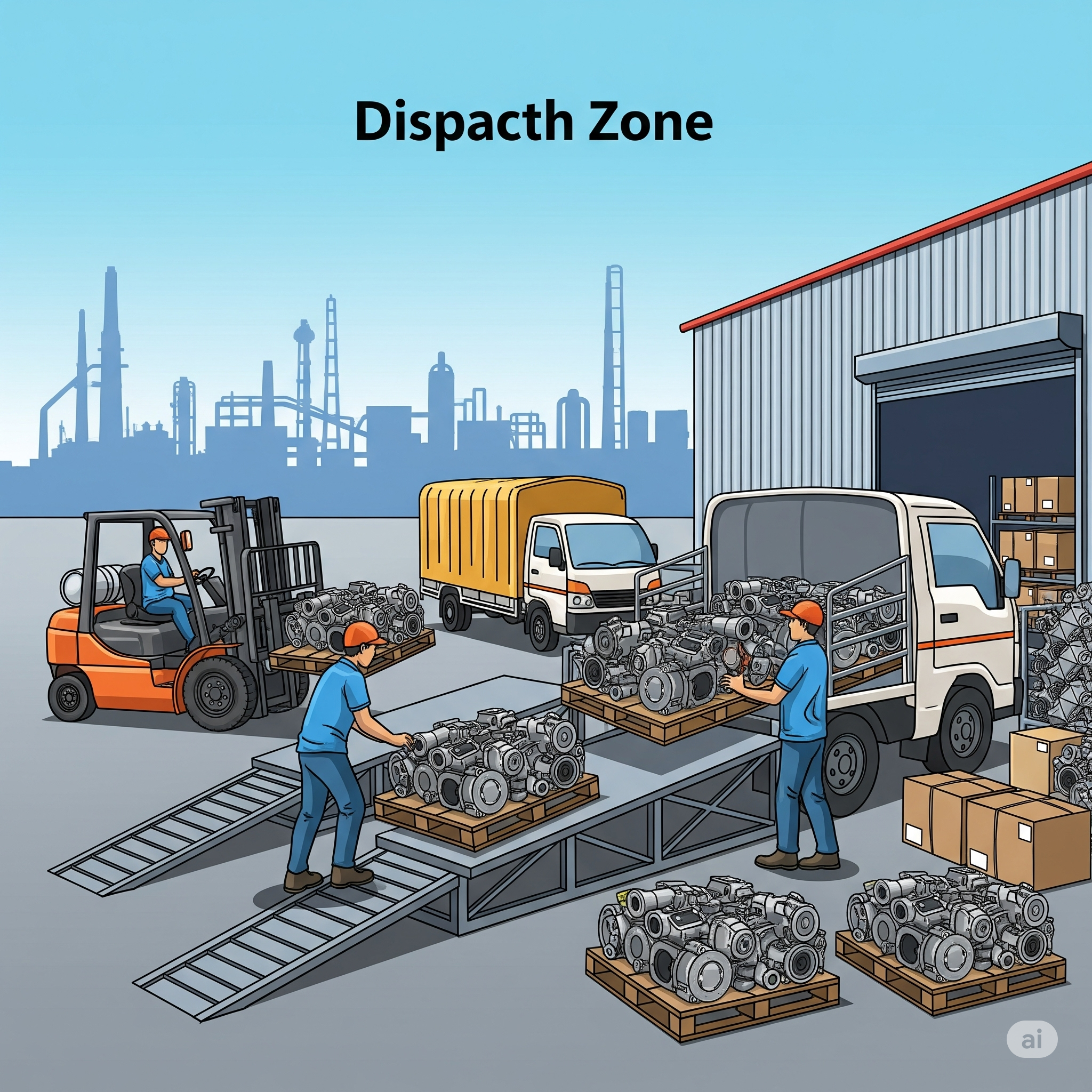
A dedicated feeder line with CEIG approval — a single VMC draws 15–25 KVA, and five VMCs plus compressor, lighting and AC runs 150–250 KVA. Voltage stabilization with UPS on the controllers. Floor loading of 3–5 T/sqm depending on machine. Fire NOC with the right occupancy class. Container-ready dock with 12–15 m turning radius. Missing any one of these typically adds months and significant cost to a launch.
How long do HSIIDC approval and IATF certification take?
HSIIDC building plan approval typically takes 4–8 weeks for a compliant unit. IATF 16949 certification runs 6–9 months from the time the facility is operational, depending on scope of process and how quickly documentation is completed. Ensuring the physical space meets the standard before the auditor arrives saves 2–4 months.
Should I buy or lease industrial space?
Lease if you need flexibility or you're testing an OEM contract. Buy if you have a 5+ year horizon and want to build equity against a fixed cost. Most Tier-1 and Tier-2 suppliers buy, because bank financing on HSIIDC property is often cheaper than escalating rent over a 7–10 year horizon.
What's the difference between Udyog Vihar, IMT Manesar and IMT Bawal?
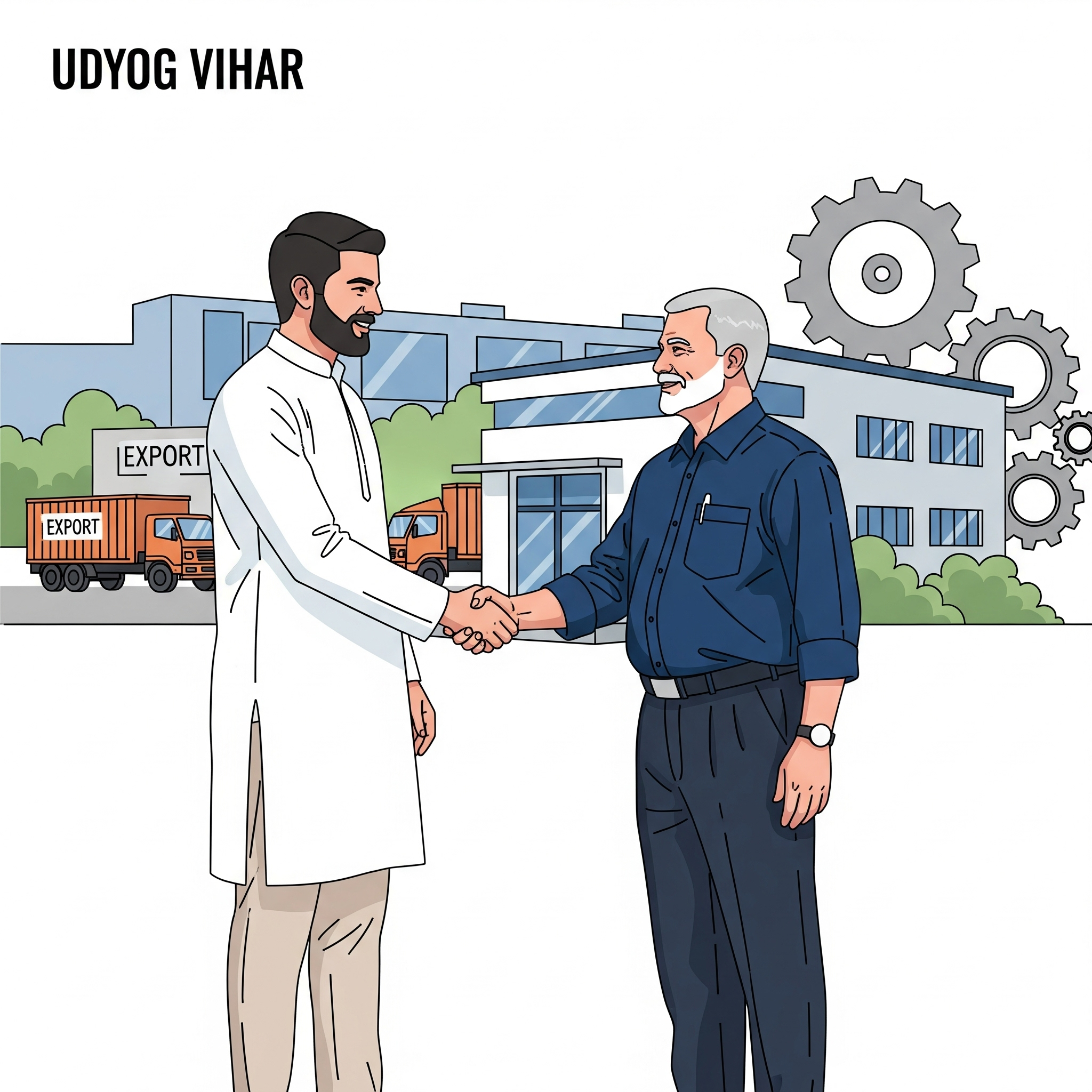
Udyog Vihar is the closest to Delhi and the oldest HSIIDC belt — highest rents, smallest units, best for vendor-code proximity to Maruti Gurugram. IMT Manesar is purpose-built for auto components with larger plots and modern infrastructure. IMT Bawal is the lowest-cost option, best for export-oriented units needing container docks at scale. The right choice depends on where your OEM customers sit and how often you dispatch.