Call Expert
Food Processing Space · FSSAI-Aligned · NCR

6 Truths About Food Processing Space — Before You Sign

Six things only a food processing property expert would say. Every one of them has cost an operator a licence, a batch, or an audit.

Floor slope decides FSSAI audit — not the wall colour
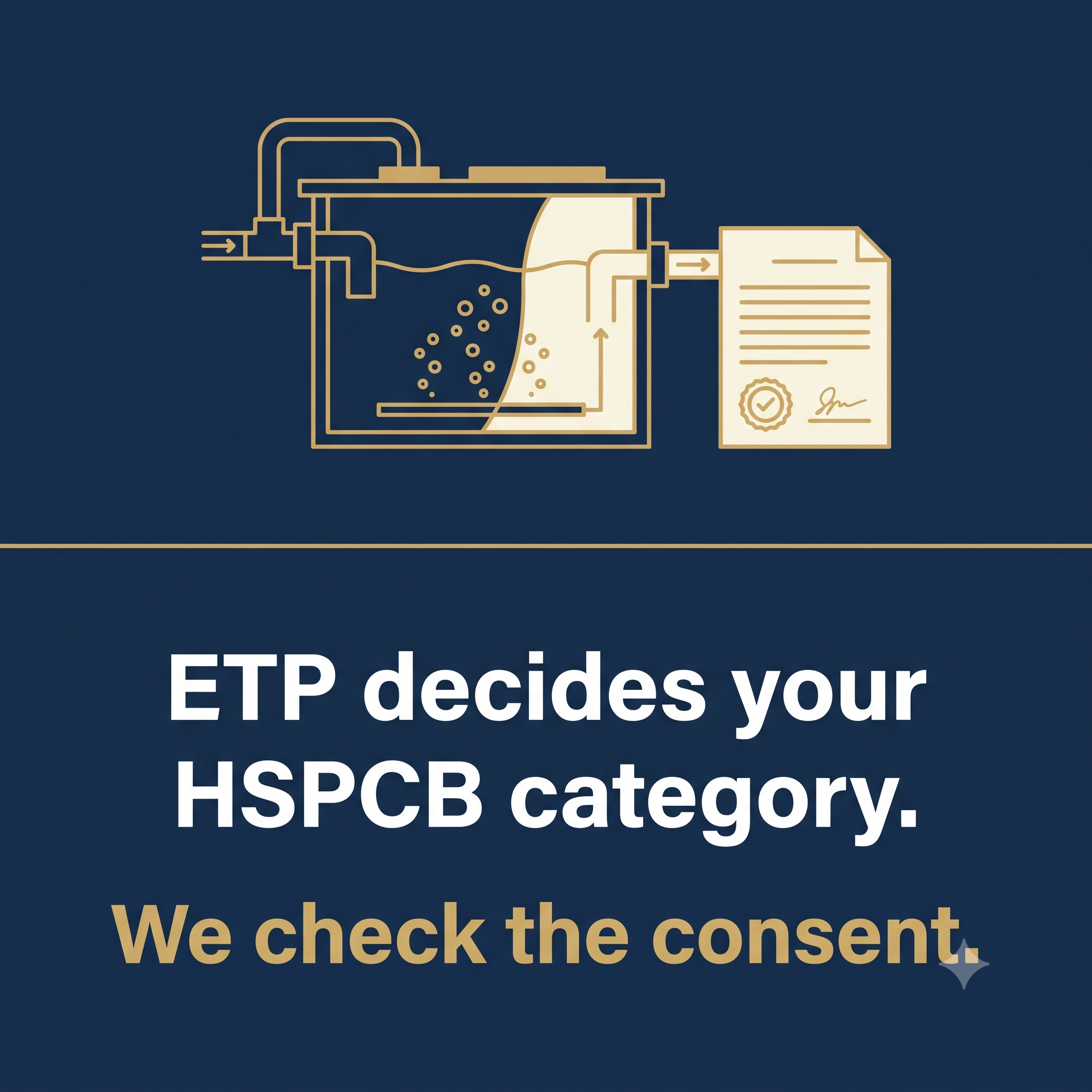
ETP decides your HSPCB category — we check the consent
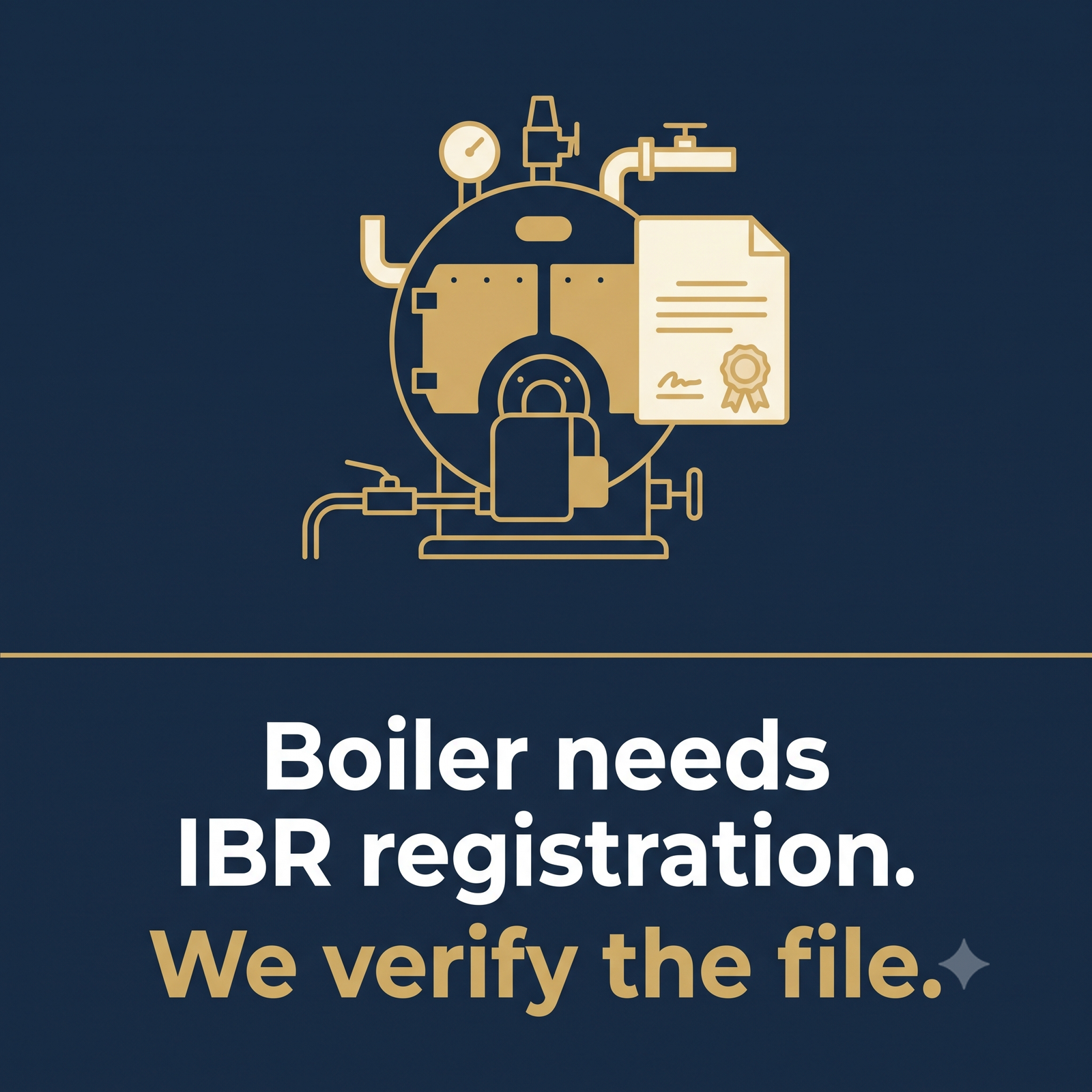
Boiler needs IBR registration — we verify the file
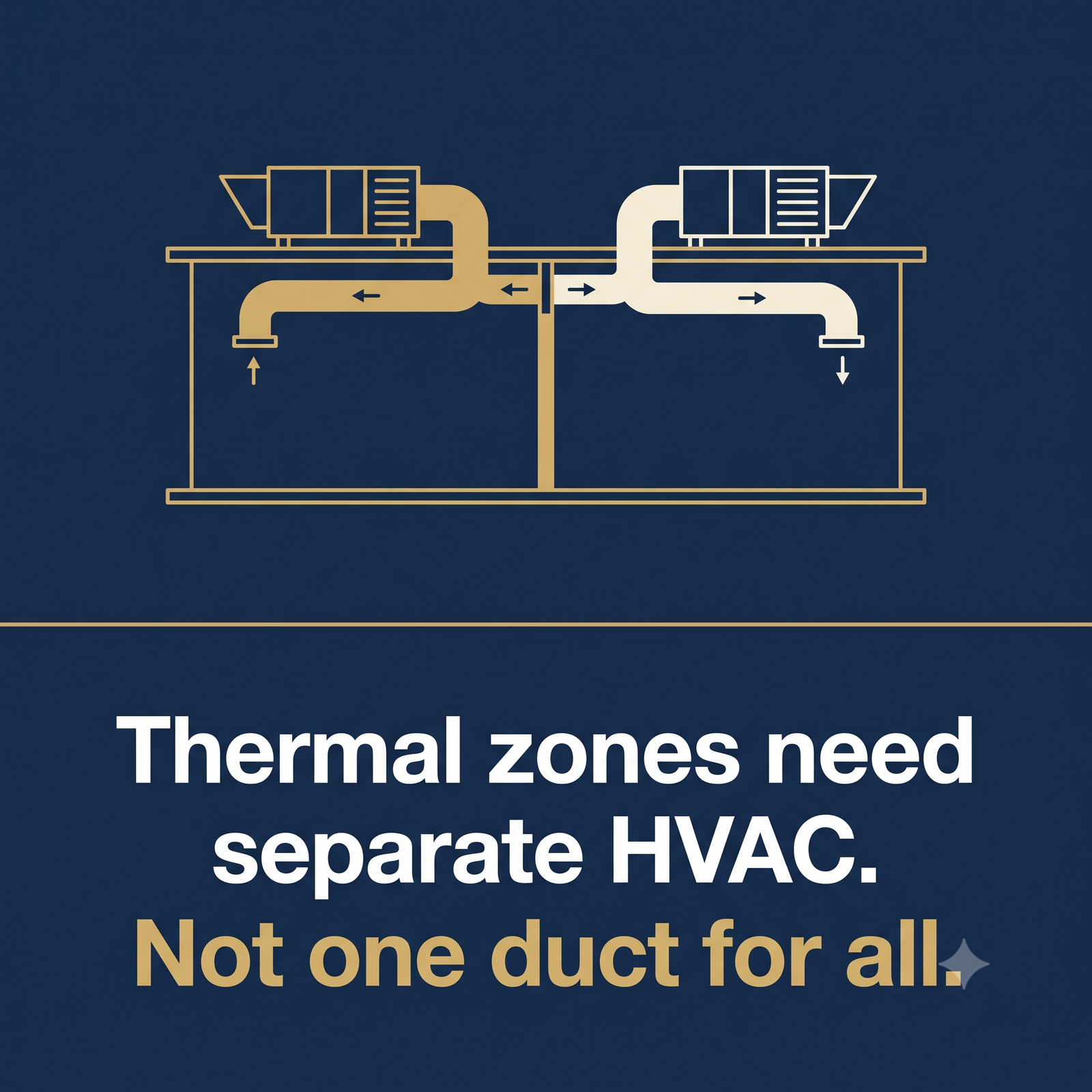
Thermal zones need separate HVAC — not one duct for all
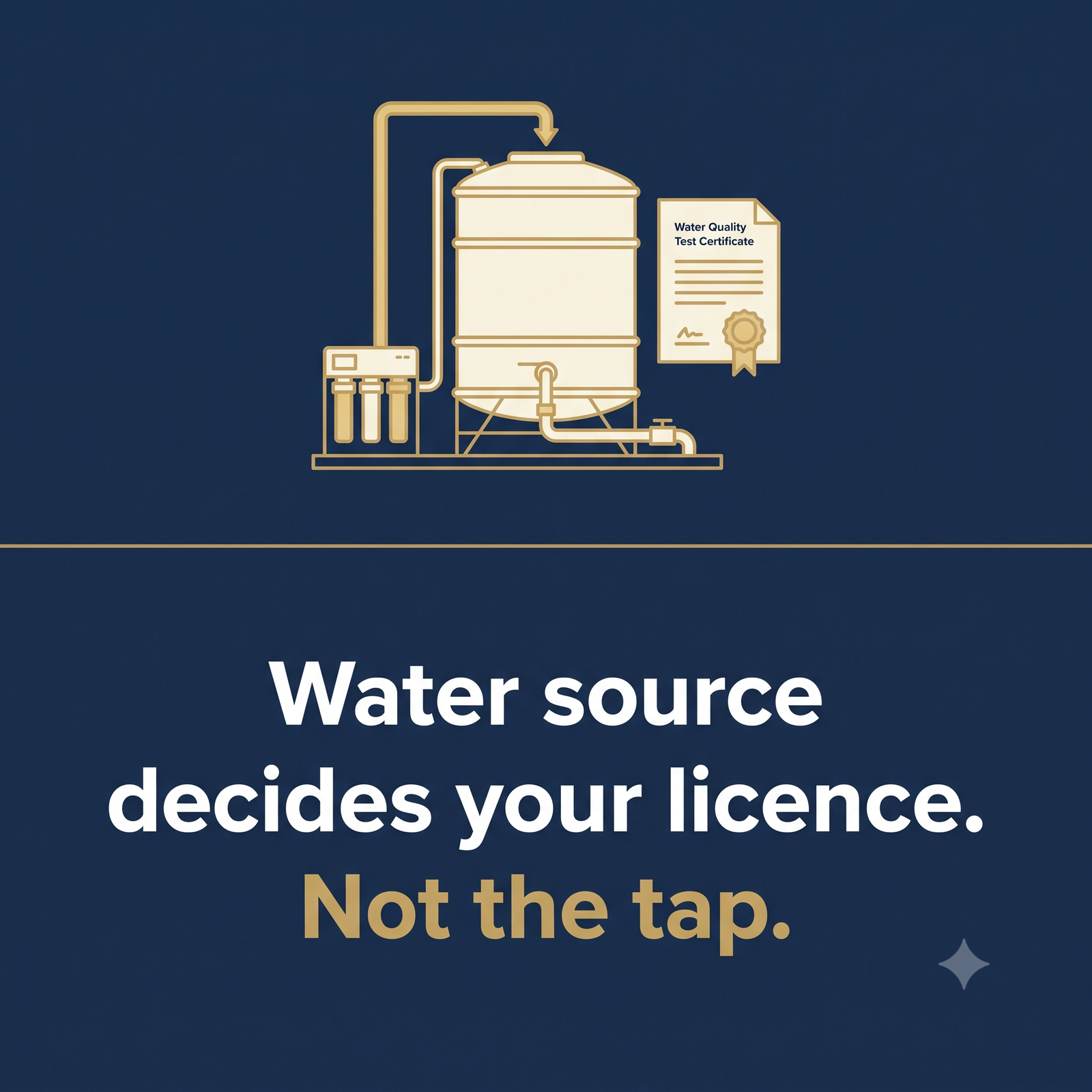
Water source decides your licence — not the tap
Scroll down — every step is mapped

Before you commit to food processing space in the NCR, six things matter more than the rent. Whether the floor slope and drainage channels actually meet FSSAI's 1:100 requirement — or whether water will pool after the first wash cycle. Whether the Effluent Treatment Plant is installed and the HSPCB consent category matches your actual discharge. Whether the steam boiler on site has valid IBR registration — because an unregistered boiler halts operations during a factory licence inspection. Whether thermal zones are isolated with separate HVAC systems to prevent cross-contamination between raw and cooked. Whether the water source has an NABL-accredited potable water certificate — FSSAI requires it for food contact. And whether every step from CLU verification to first FSSAI audit is mapped before you sign.

Food Processing Space That Passes FSSAI Audit — Before the First Batch

Drainage-checked, ETP-verified, IBR-cleared units across Farukhnagar, Pataudi, Luhari and IMT Bawal — matched to your process flow.

What We Check That Others Don't

A standard site visit covers rent, sq ft and "FSSAI ho jayega". Here's the level of detail a working food processing unit actually needs.

ItemTypical checkWhat UdyogAxis checks
Floor & drainage"Floor theek hai"Slope ratio (1:100 to 1:120), coved joints, drain channel size, grease trap, floor loading for equipment
Effluent & ETP"Drainage hai"ETP installation, HSPCB consent category (Orange/Green), discharge volume vs plant capacity, STP if required
Boiler & steam"Gas hai"IBR registration status, boiler capacity, fuel type, operator records, safety valve certification
Water"Paani hai"Potable water certificate (NABL lab), DM plant if required, RO system, water table, storage tank capacity
Thermal zones"AC laga lenge"Whether HVAC is zoned, capability to separate raw/cooked airflow, exhaust for cooking zones, make-up air balance
Cold chain"Cold room hai"Chamber temperature range (chill/frozen/blast), PUF thickness, DG auto-switch time, temperature logging
Power"Connection hai"Sanctioned load vs equipment load (ovens, chillers, HVAC), HT vs LT, DG capacity for full process load
Fire NOC"Fire NOC hai"Industrial occupancy class for cooking zones, sprinkler coverage, gas bank safety, exhaust hood fire suppression
Clear height"Height hai"5–6 m minimum for equipment, 7–9 m for blast freezer and tall process lines, mezzanine utility access
CLU & building plan"Industrial hai"Whether CLU permits food processing specifically, HSPCB category compatibility, building plan vs actual

📊 Indicative Price Ranges

What food processing space roughly costs across the NCR belt today — anchored before you start visiting.

Rent — Per Sq Ft / Month

Farukhnagar / Pataudi₹25 – 42
Kherki Daula / Binola₹28 – 45
Luhari / Bilaspur₹20 – 32
IMT Manesar₹28 – 45
IMT Bawal₹18 – 30

Buy — Per Sq Ft

Farukhnagar / Pataudi₹3,500 – 6,000
Kherki Daula / Binola₹4,500 – 7,500
Luhari / Bilaspur₹3,000 – 5,000
IMT Manesar₹4,500 – 7,000
IMT Bawal₹2,500 – 4,500

Rates are indicative for 2026. Food processing rents depend on drainage infrastructure, ETP status, boiler capacity and thermal zone provisioning. Purpose-built units with existing ETP and IBR-certified boiler command a 25–40% premium over shell-and-core industrial space. Call for current live inventory.

🔍 Our Site-Visit Checklist

Seven Things We Verify Before You Sign

What we walk through on every food processing site visit — because these are the details that decide whether a unit works for FSSAI or quietly costs you later.

  1. 01Whether the floor slope and drainage actually meet FSSAI's 1:100 requirement, not just the drawings
  2. 02Whether the ETP is installed and the HSPCB consent category matches your actual discharge
  3. 03Whether the steam boiler has valid IBR registration and current operator records on file
  4. 04Whether thermal zones can be isolated — raw and cooked must not share the same air handling
  5. 05Whether the water source has an NABL-accredited potable certificate for food contact
  6. 06Whether the CLU actually permits food processing, not just general industrial use
  7. 07Whether the drive to your largest distributor adds 20 minutes or 2 hours to every dispatch
🗺️ Geography of the Trade

The NCR Food Processing Belt — Who Sits Where

The five belts most food processing operators end up choosing between, and what each is actually good for.

Farukhnagar / Pataudi

Traditional Processing Belt

Established food processing cluster serving Gurugram and south Delhi markets. Older stock with variable drainage and ETP infrastructure — verify building by building. Best for medium-scale units needing 5,000–20,000 sq ft with lower rents. Land available for expansion.

Kherki Daula / Binola

Highway Access, Quick Turnaround

NH-48 corridor with fast movement to Delhi, Jaipur and the ICD. Preferred by ready-to-eat and packaged snack manufacturers needing daily dispatch. Newer construction with better drainage and DG infrastructure. Higher rents but superior logistics economics for D2C and modern trade distribution.

Luhari / Bilaspur

Large-Format Processing

Warehouse-adjacent belt with large plots and lower rents. Best for bulk processing units with warehouse-integrated storage. Suited to atta, spices, and dry snack manufacturing with lower effluent load. Verify ETP and HSPCB consent — some plots have category restrictions.

IMT Manesar

Premium Infrastructure

Purpose-built industrial belt with modern power, water and drainage infrastructure. Suited to food processing for retail chains, hotel supply and pharma-adjacent nutritional products. Higher rents than Farukhnagar but superior spec. Verify CLU permits food processing — not all plots do.

IMT Bawal

Export & ICD Access

Best for export-oriented food processing needing container ICD proximity. Lower rents than Gurugram belts. Suited to processed foods, spices and ready-to-eat export units. Verify HSPCB consent category carefully — some plots have restrictions on effluent-heavy operations. Ideal for dry processing with container dispatch.

🍽️ FROM RAW MATERIAL TO PACKED DISPATCH — EVERY ZONE MATTERS 🍽️

Built for the Way Food Processing Actually Runs

FSSAI-Aligned · ETP-Ready · IBR-Verified

From drainage slope to boiler registration, we match each square foot to how you process — and to what the FSSAI auditor will ask of the building.

Sloped food processing floor with drainage channel

🚿 Floor & Drainage — The 1:100 Slope Rule

FSSAI requires 1:100 to 1:120 slope toward drainage with coved joints and sealed surfaces. Standing water on a processing floor is the fastest way to fail an inspection.

UdyogAxis Insight: We test the slope on-site with a level, not by looking at the drawing. A floor that pools after the first wash cycle adds retrofitting cost that outweighs the rent saving.
💧 EFFLUENT DECIDES YOUR HSPCB CATEGORY 💧
Effluent treatment plant and HSPCB consent document

💧 ETP & HSPCB — Orange vs Green Category

Units with process effluent fall under Orange category requiring a treatment plant and Consent to Operate. Dry processing can be Green. The category follows the discharge, not the size of your operation.

UdyogAxis Insight: Many landlords don't know their plot's HSPCB category. If it's Green and you generate process effluent, you're blocked. We verify the consent category against your intended discharge before you commit.
🔥 BOILER, THERMAL, WATER — THE THREE APPROVALS 🔥
Industrial boiler with IBR registration certificate

🔥 Steam Boiler — IBR Registration Is Not Optional

Any boiler above 22.75 litres or 1 kg/cm² pressure requires IBR registration. Small steam generators are exempt. An unregistered boiler halts operations during factory licence renewal.

UdyogAxis Insight: We check IBR certificate validity and operator records on file. If the boiler is unregistered, we factor in the 3–5 month registration timeline and the inspection cost into your decision.
❄️ THERMAL ZONES AND COLD CHAIN — THE PHYSICAL BARRIERS ❄️
Separate HVAC zones for raw and cooked processing

❄️ Thermal Isolation + Cold Chain — Two Barriers, One Audit

Separate HVAC for raw and cooked zones prevents cross-contamination. DG auto-switch under 10 seconds protects cold chain. Both must be physically verifiable, not promised.

UdyogAxis Insight: We check whether HVAC is actually zoned or if it's one system serving the whole floor. A single-duct system serving raw and cooked zones will not pass an FSSAI inspection without major rework.
🚰 WATER AND QA — THE PAPER TRAIL FSSAI WANTS TO SEE 🚰
Potable water tank and water quality certificate

🚰 Water & QA Lab — The Documents That Prove Compliance

Potable water certificate from an NABL-accredited lab. DM plant if your process requires it. On-site QA lab if you supply modern trade or export. Each one is inspected.

UdyogAxis Insight: FSSAI requires periodic water testing records for food contact. Units using groundwater without an NABL certificate commonly fail the first inspection. We verify the water source before you commit to the unit.
❓ Common Questions

Questions We Get Asked Before Every Food Processing Deal

The eight questions that come up most often from food processing operators during a site search.

What flooring does FSSAI require for food processing units?
FSSAI requires a smooth, non-porous, impervious and washable floor surface with adequate slope toward drainage points. Epoxy or food-grade tile flooring with a slope of 1:100 to 1:120 is standard. Joints must be sealed and coved where the floor meets the wall. Standing water or rough concrete floor will fail inspection.
What HSPCB consent category applies to food processing?
Food processing units fall under the Orange category for HSPCB consent if they discharge process effluent, and Green if they only handle dry processing with no effluent. Orange category requires an Effluent Treatment Plant (ETP) and Consent to Operate. The category is determined by the type and volume of effluent generated, not the size of the unit.
Do I need IBR registration for a food processing boiler?
Yes. Any steam boiler above 22.75 litres capacity or 1 kg/cm² pressure requires IBR (Indian Boiler Regulations) registration with the state boiler inspectorate. Small steam generators below this threshold are exempt. IBR registration requires annual inspection and certified boiler operators on record. Unregistered boilers can halt operations during a factory licence inspection.
What DG backup do I need for food processing?
Full-load DG with less than 10-second auto-switch is standard for cold rooms, blast freezers and continuous processes. A food processing unit running a blast freezer typically needs 250-400 KVA of DG depending on chamber count and process equipment. Fuel storage of 8-12 hours minimum. The DG must cover compressor startup current, not just lighting and admin load.
What water quality standard does FSSAI require?
FSSAI requires potable water meeting IS 10500 standards for all food contact and processing. The unit must have access to a potable water source with periodic testing records. For units using groundwater, a water test certificate from an NABL-accredited lab is standard. Reverse osmosis or DM water may be required depending on the product category.
What clear height is needed for food processing?
A standard food processing floor needs 5-6 metres clear height for equipment installation, ducting and ventilation. Units with blast freezers, ovens or tall process lines may need 7-9 metres. Mezzanine-level utility access requires additional headroom. Column grid should allow unimpeded line layout — 8 x 8 metres minimum for most process lines.
Can I set up food processing in any HSIIDC industrial plot?
Not all HSIIDC plots allow food processing. The CLU (Change of Land Use) and building plan must permit food manufacturing, and the plot must be in an area with adequate power, water and effluent discharge infrastructure. Some industrial belts have restrictions based on pollution category. Verify the CLU against your intended operation before committing to a lease.
Where should I set up food processing in the NCR?
Farukhnagar and Pataudi suit units serving Gurugram and south Delhi markets with lower rents. Luhari and Bilaspur are best for larger processing units needing 20,000+ sq ft with warehouse-adjacent storage. IMT Manesar suits units serving auto sector and pharma-adjacent food applications. IMT Bawal works for export-oriented processing with container ICD access. The choice depends on your product type, effluent load and market.

Food processing partnership handshake

Let's Find the Unit That Fits Your Food Processing Line

Parmod Yadav has spent 15 years in the NCR industrial property market. We verify drainage, ETP, IBR, HVAC and water source on every unit before recommending it — and we'll tell you when to walk away.

Call Parmod: +91 98118 29911 WhatsApp
Call 9811829911 WhatsApp