What is the difference between chill, frozen and blast freezing?
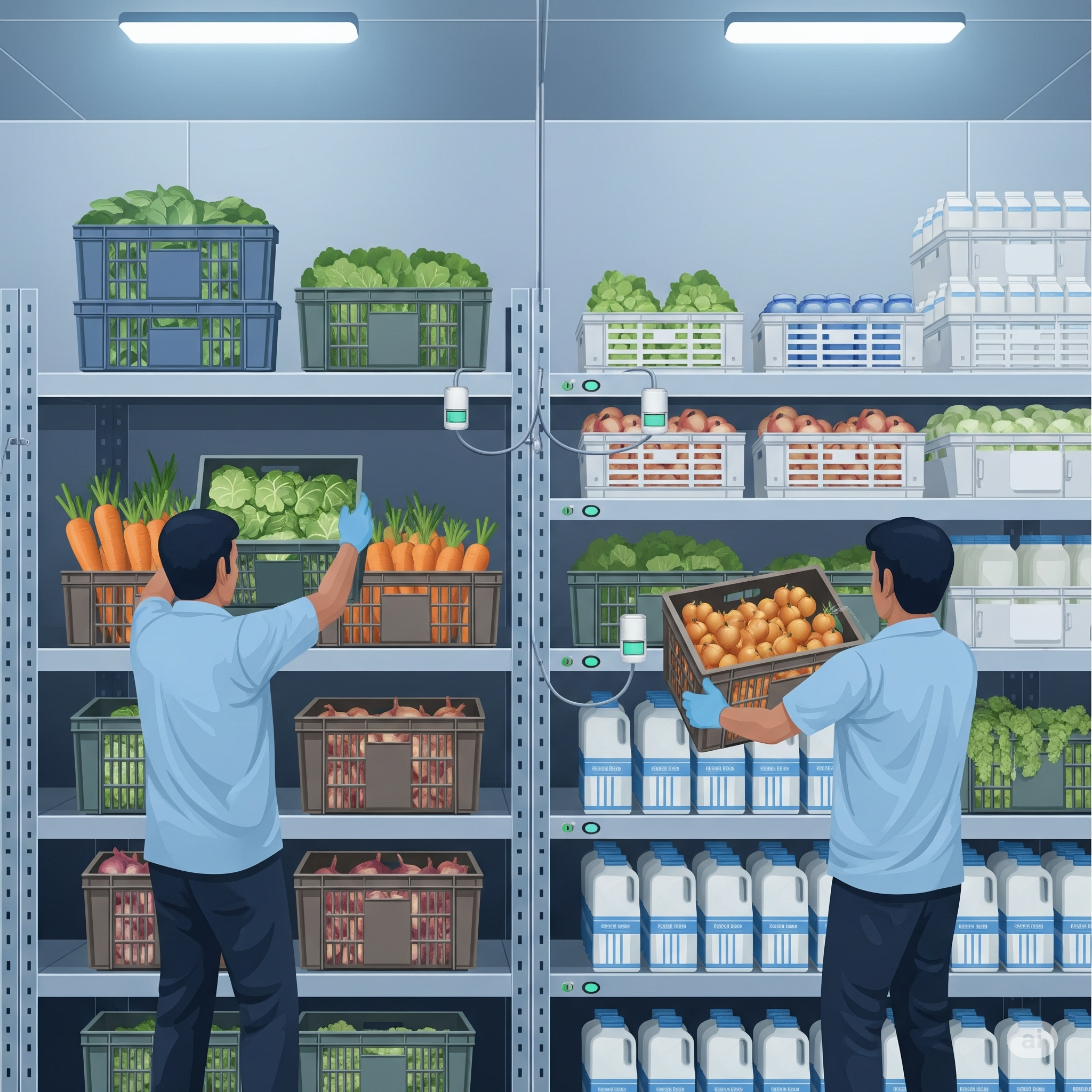
Chill storage runs 0°C to 8°C for fresh produce, dairy and pharma. Frozen storage runs -18°C to -25°C for meat, seafood and ice cream. Blast freezing runs -35°C to -40°C with high air velocity to freeze product quickly. Each requires a different chamber design, insulation thickness and refrigeration capacity. The building has to be designed for the coldest range you will ever run — retrofitting a chill chamber to frozen later costs more than building it right the first time.
Do I need a PESO licence for cold storage?
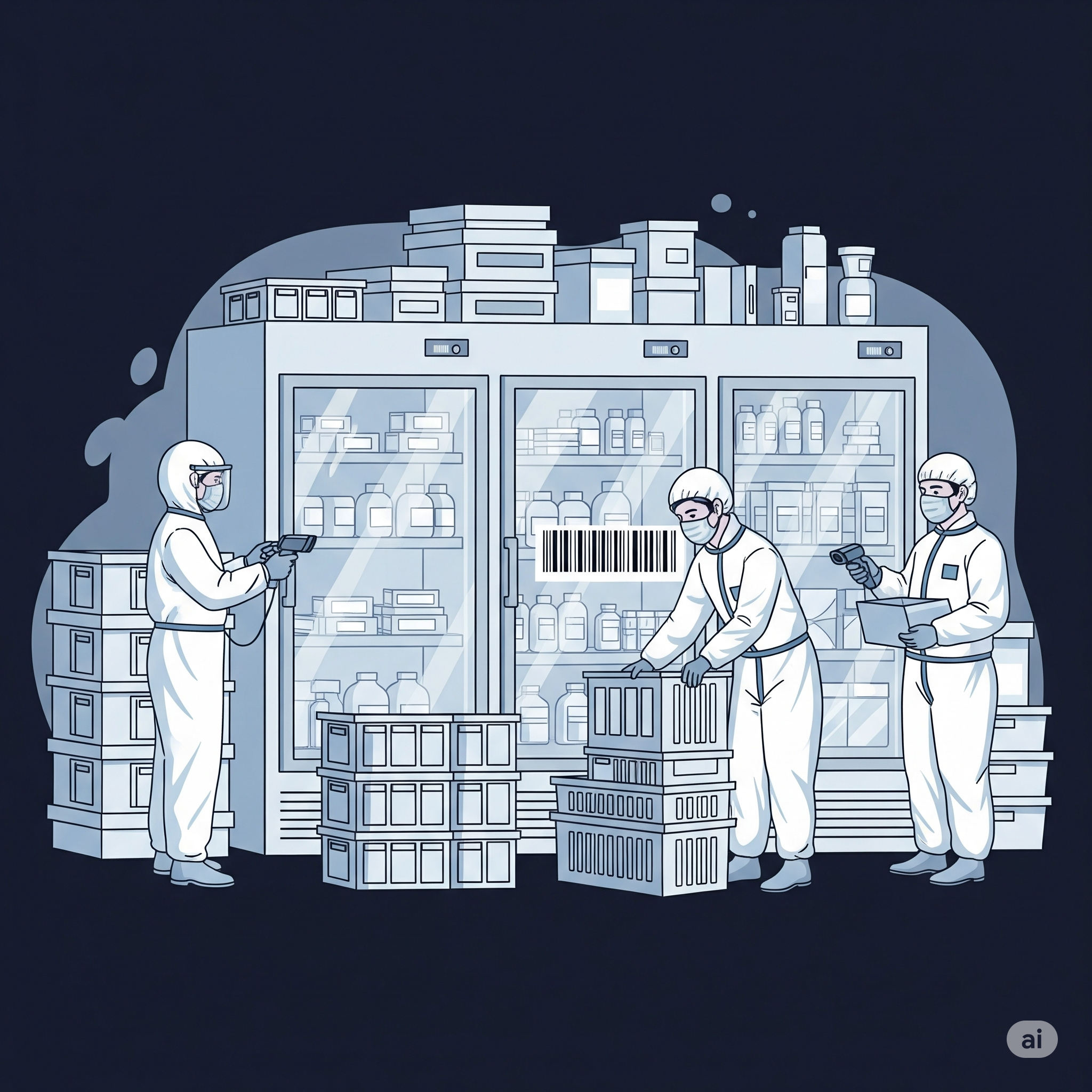
Only if the refrigeration system uses ammonia as the refrigerant. Ammonia-based cold storage requires a PESO (Petroleum and Explosives Safety Organisation) licence for storage of the refrigerant charge. Freon-based systems do not need PESO. Most modern cold storage under 50,000 sq ft runs on freon to avoid the PESO compliance burden. Larger facilities and ammonia-based units need PESO, HSPCB and additional fire NOC coverage.
What FSSAI licence category applies to cold storage?
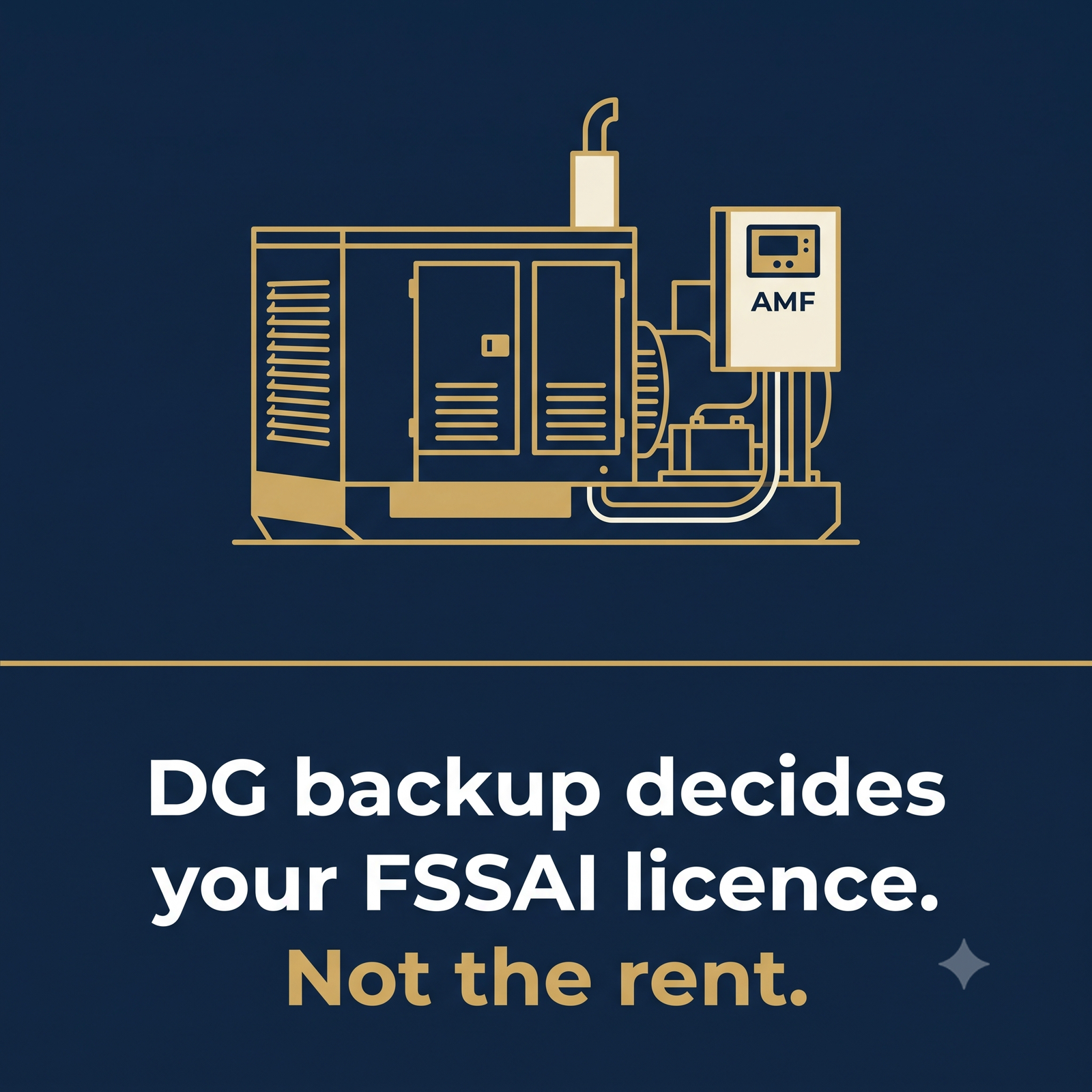
Cold storage facilities that store food products fall under the FSSAI Central Licence category if the annual turnover exceeds ₹20 crore or if the facility handles imported products. Below that threshold a State Licence applies. The licence is issued against the physical address and cannot be transferred between tenants — the premises itself must be inspected and approved. DG backup, temperature logging and pest control records are part of the inspection.
What DG backup is required for cold storage?
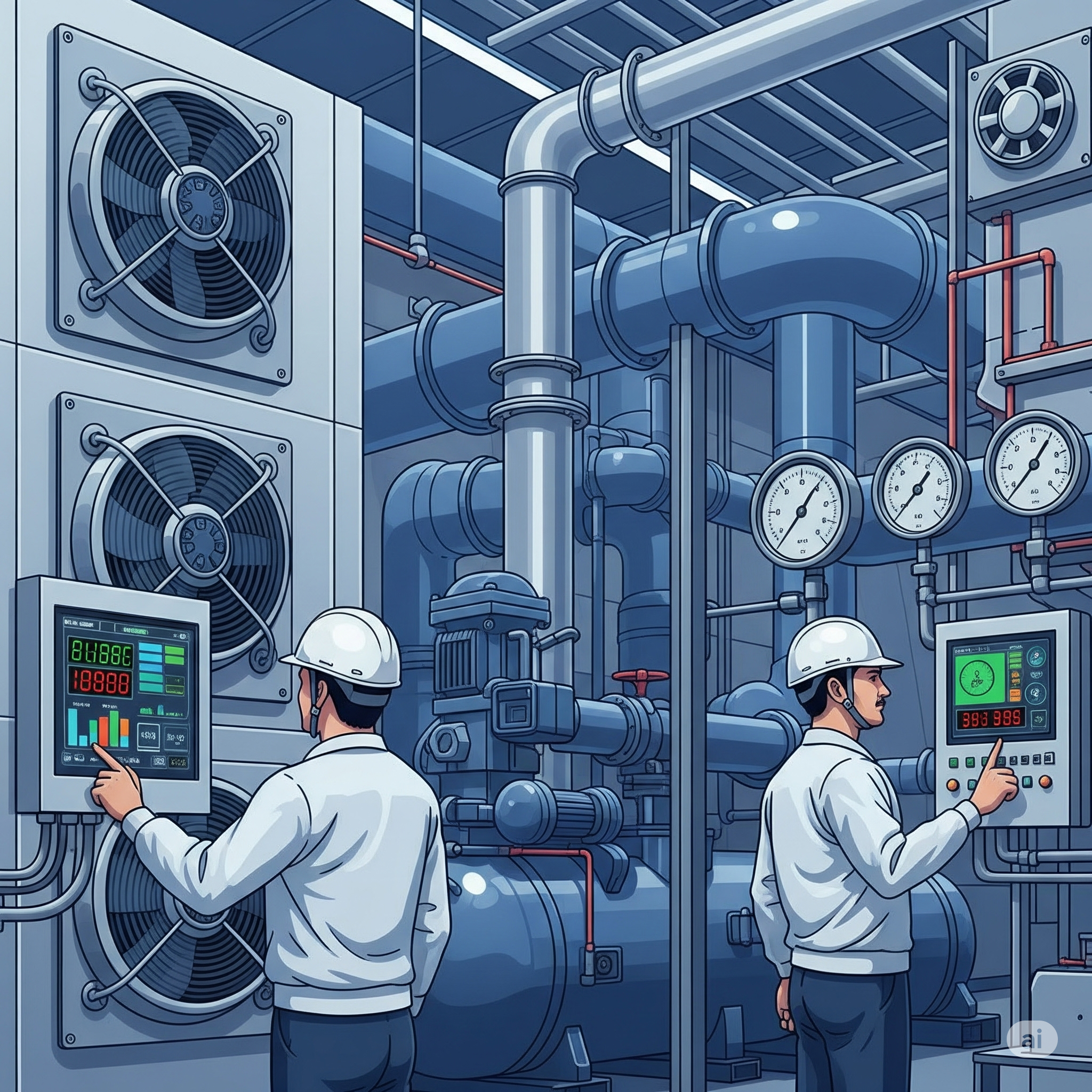
Full-load DG backup with automatic transfer switch (ATS) and less than 10-second switchover is standard. The DG must cover the compressors, evaporators, lighting and controls — not just lights. Fuel storage of 8-12 hours minimum is typical, with refuelling contracts in place. A 20,000 sq ft frozen chamber typically needs 250-400 KVA of DG backup depending on chamber count and door cycle frequency.
What is the electricity cost of running a cold storage unit?
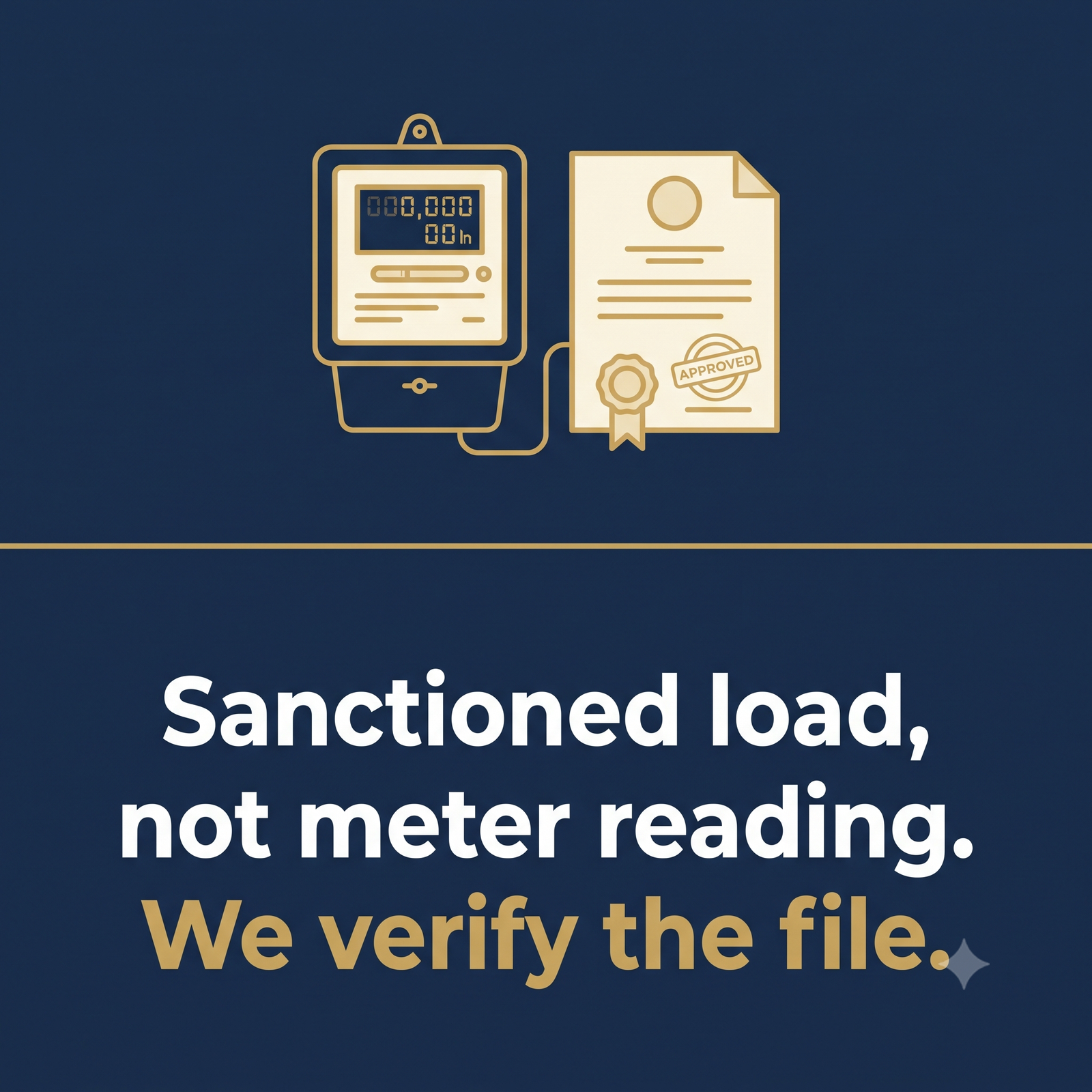
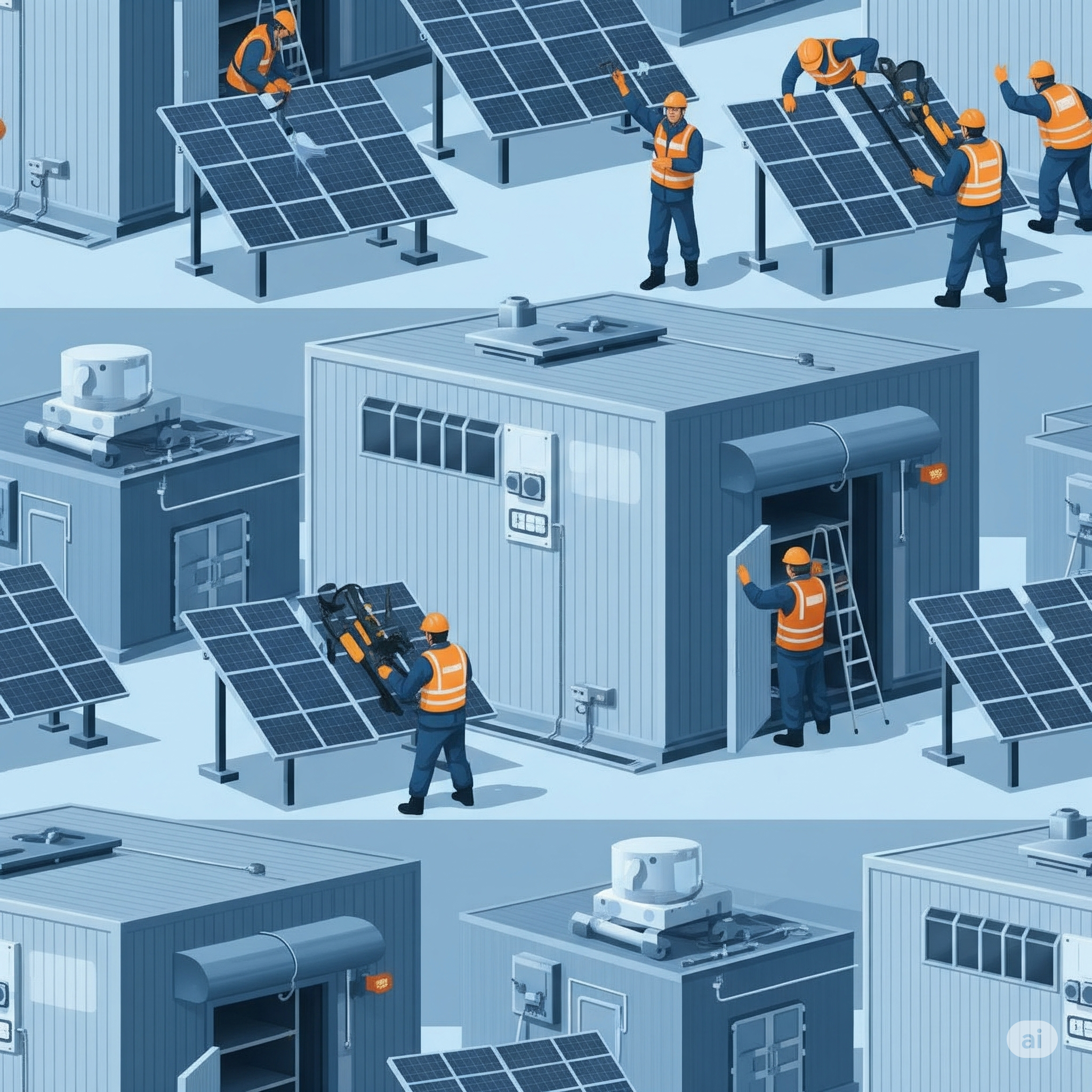
Electricity is 55-70% of the operating cost of a cold storage unit. A frozen chamber draws roughly 1.2-1.5 KW per tonne of product per day, while a chill chamber draws 0.5-0.8 KW per tonne. This makes sanctioned load, HT connection status and solar feasibility the three most important infrastructure questions before you commit to a lease. We check the sanctioned KVA against your actual chamber load before recommending any unit.
Can I convert a regular warehouse into cold storage?
Not without structural and electrical upgrades. A cold storage conversion requires insulated PUF panel construction on all six surfaces, a reinforced floor slab for the additional panel and refrigeration load, upgraded electrical load, DG backup, and a refrigerant-compliant mechanical room. Conversion typically costs ₹1,500-2,500 per sq ft. It is almost always cheaper to lease a purpose-built chamber than to convert an existing warehouse.
What reefer plug capacity do I need on the dock?
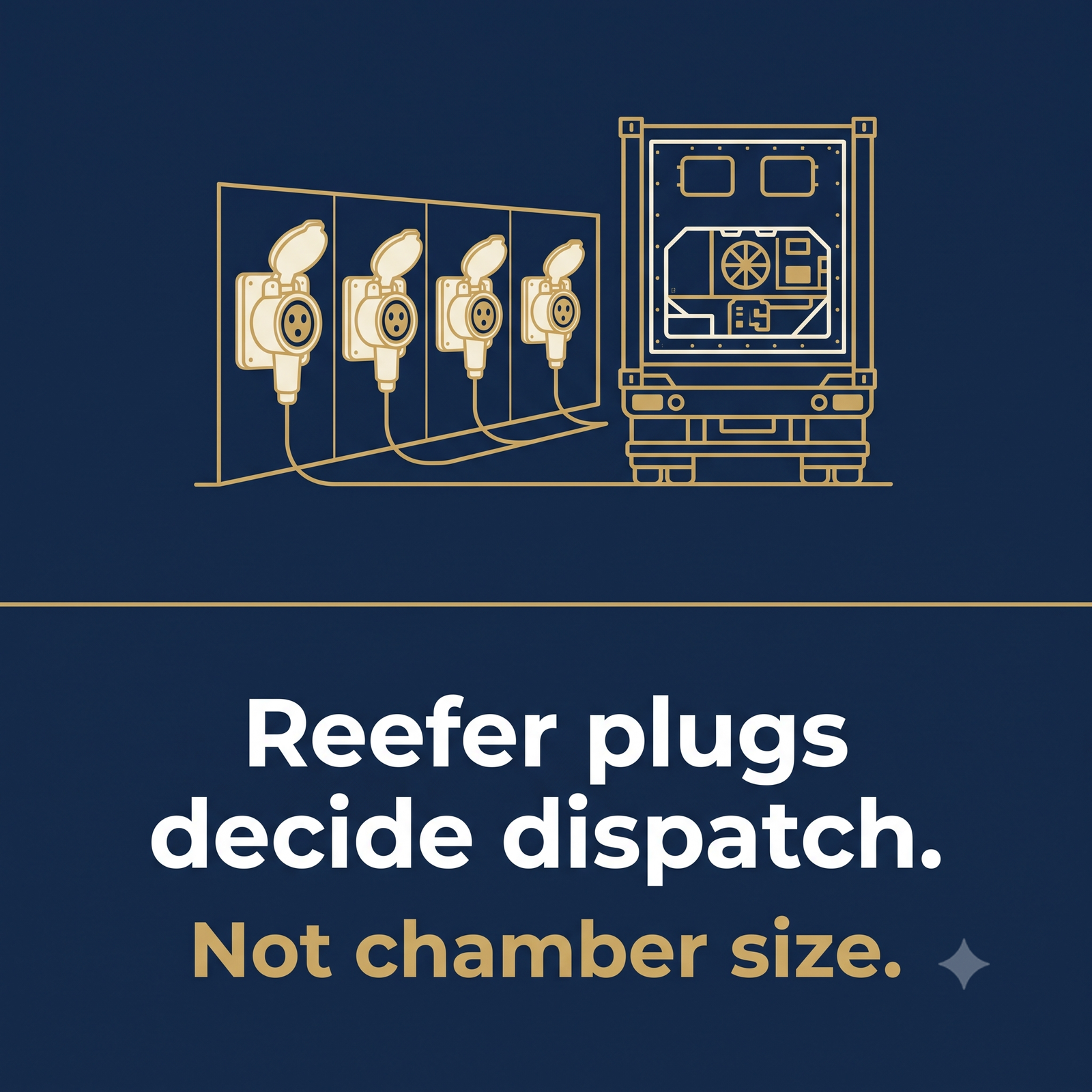
One reefer plug per truck dispatched or received simultaneously, plus one spare. Each plug is typically 32A, 3-phase, 415V with a weatherproof enclosure. A facility dispatching 10 trucks per day across a 4-hour window needs at least 4-6 plugs with 2 spares. Under-provided reefer plugs cause trucks to idle with engines running, burning diesel and delaying dispatch.
Where should I set up cold storage in the NCR?
Farukhnagar and Pataudi suit cold storage serving Gurugram and south Delhi markets. Kherki Daula and Binola offer NH-48 highway access for Delhi-Jaipur movement. IMT Bawal works best for export-oriented cold chain needing container ICD access. Luhari and Bilaspur suit cold chain feeding larger warehouse clusters. The right choice depends on where your product originates, where it is consumed, and how often you dispatch.