Is wood dust explosive and how does it affect my fire NOC?
Yes. Fine wood dust is classified as a combustible dust hazard under Indian fire safety norms. It can form explosive concentrations in enclosed spaces and ignite from a spark. Fire NOC coverage for a wood working unit must specifically include dust hazard mitigation — a NOC issued for general storage does not cover wood dust operations. The building needs a centralised dust collection system, spark detection on the ducting, and a fire-rated dust hopper.
What HSPCB consent category applies to furniture manufacturing?
Furniture manufacturing with wood cutting, sanding and finishing typically falls under the Orange category for HSPCB consent, and Red if solvent-based finishing or large-scale painting operations are involved. Green category applies only to assembly-only operations with no wood cutting or finishing. The category determines whether you need a full Effluent Treatment Plant, solvent recovery, or air pollution control equipment.
What power load does a furniture manufacturing unit need?
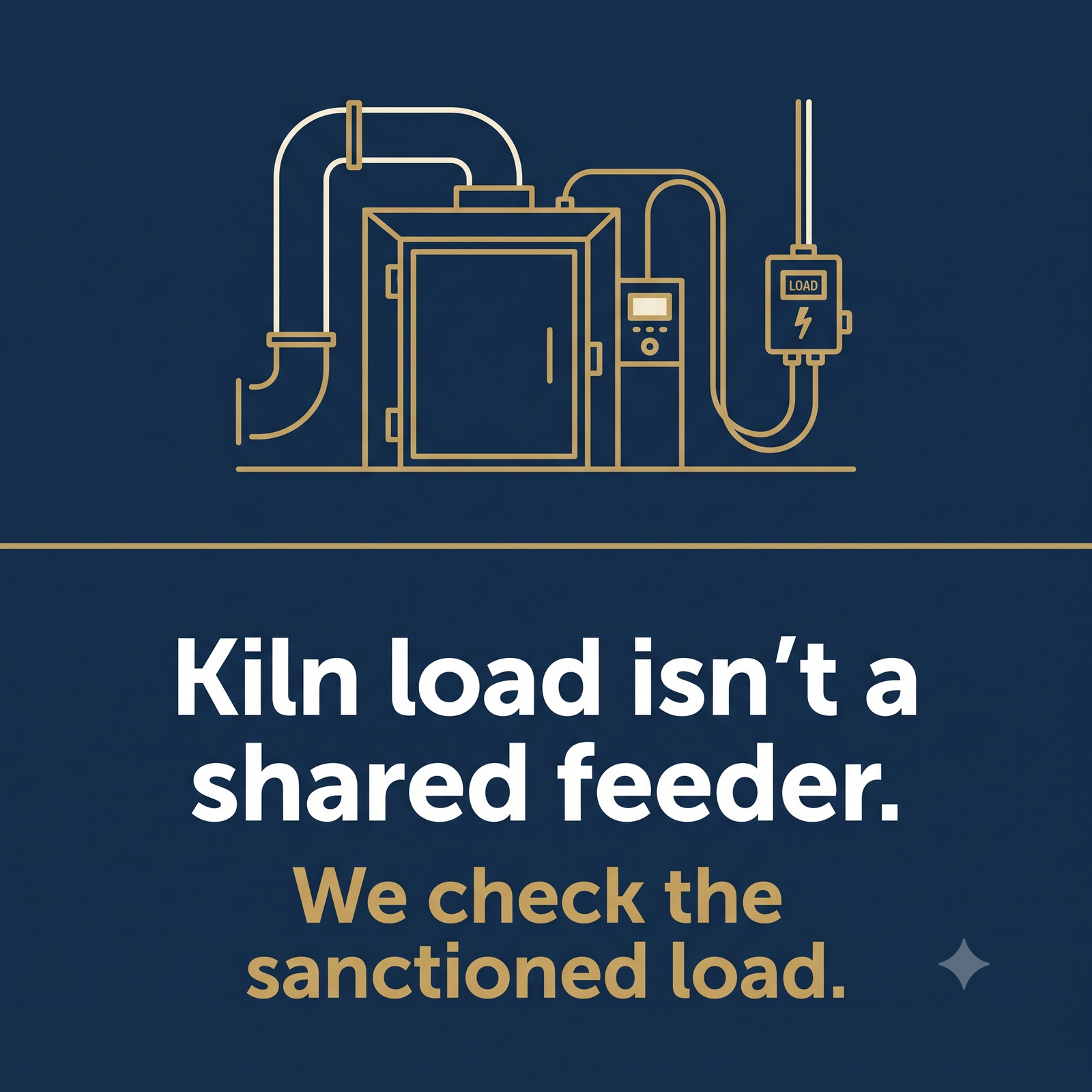
A medium furniture unit running saws, planers, routers, edge banders, and a dust extraction system typically needs 100-200 KVA. Units with a kiln for wood drying add another 100-250 KVA depending on chamber volume — kiln loads must be on a dedicated feeder and cannot share with other operations. CNC routers and automated finishing lines push the requirement higher.
What clear height is needed for furniture assembly?
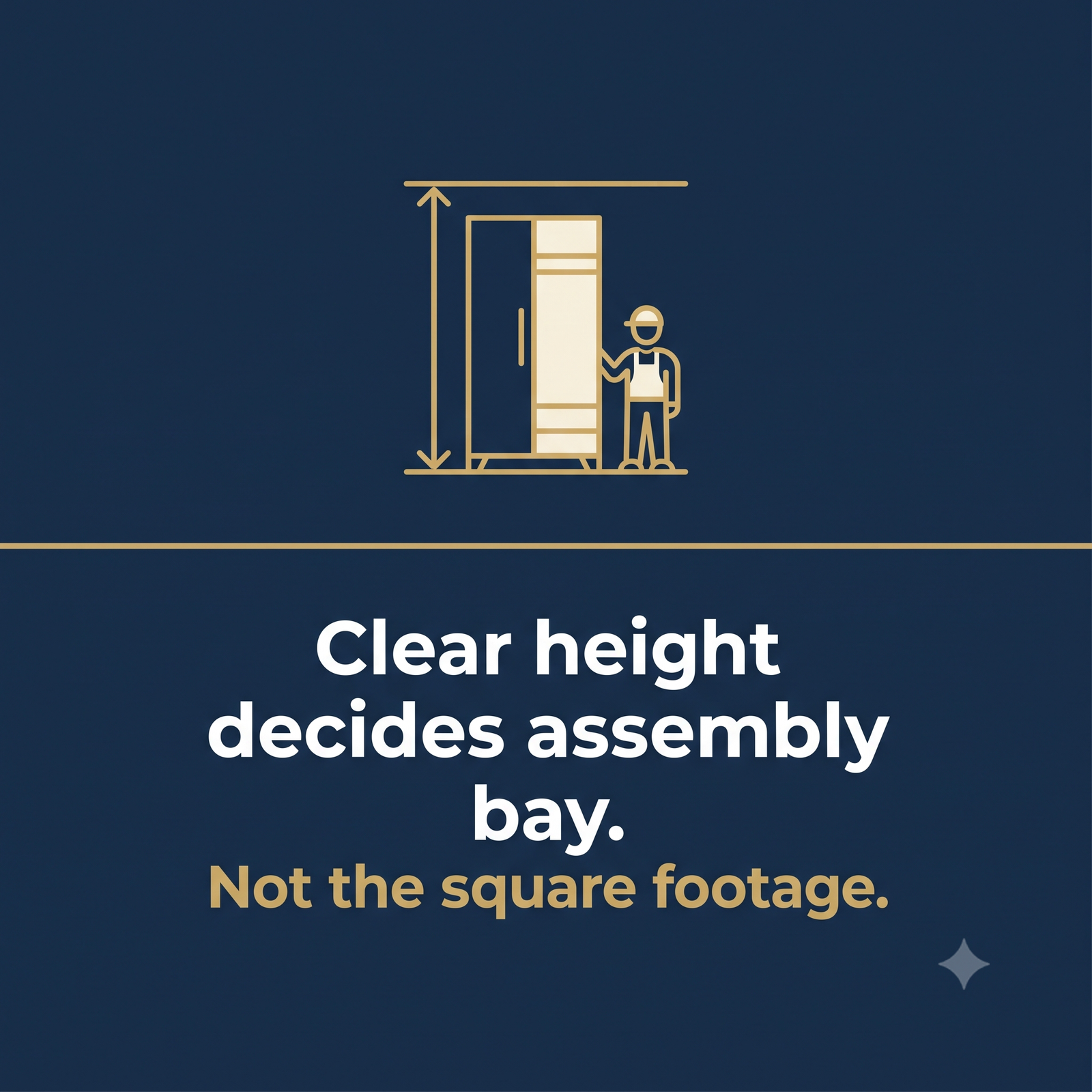
A standard furniture assembly floor needs 5-6 metres clear height for handling tall cabinets, wardrobes and modular units. Units assembling large wardrobes or commercial furniture should have 7-8 metres clear height, or a layout that allows vertical assembly of the tallest product on the floor. Handling equipment — overhead lifting, tall scaffolds — also needs headroom to operate safely.
What slab loading do I need for timber storage?
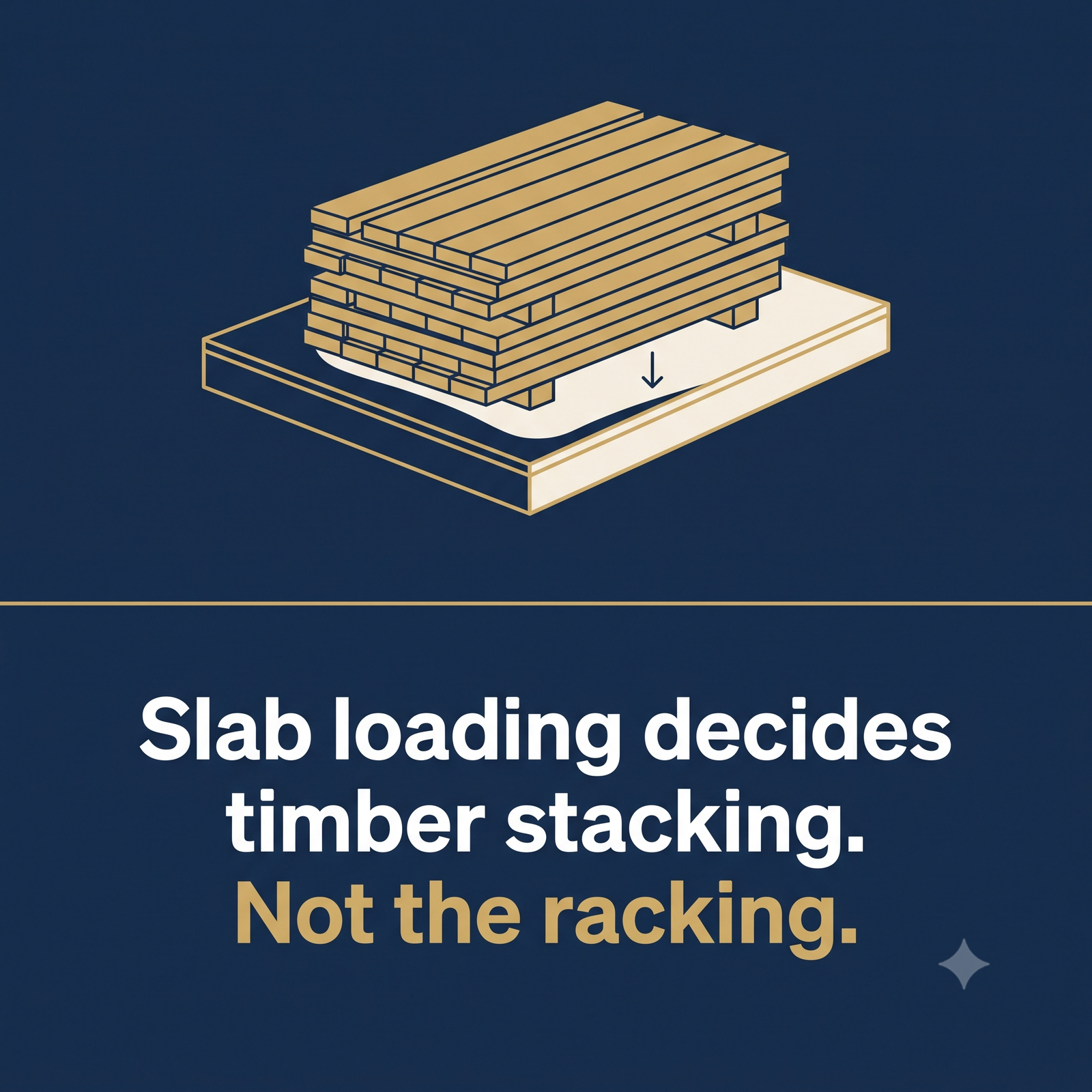
Stacked timber and finished furniture storage typically requires 4-6 T/sqm floor loading. Stacked solid wood planks in high columns can push loading higher. Heavy machinery like wide-belt sanders, edge banders and CNC routers requires point loading on dedicated pads. If the slab loading is below 4 T/sqm, either storage height or machinery placement has to be reduced.
Do I need a wood drying kiln on site?
Kiln drying is not always required on-site. Furniture units can buy pre-dried timber from traders or use third-party kiln services. Having an on-site kiln gives control over moisture content — critical for export-grade furniture — but adds significant power load, HSPCB compliance burden, and capital cost. Units targeting export or premium retail usually benefit from on-site kiln control.
What dust extraction system is required for a wood working unit?
A centralised dust collection system with ducting to every cutting, sanding and shaping machine, a cyclone or bag filter separator, and a fire-rated hopper with spark detection is standard. Individual portable bag filters are insufficient for high-volume operations. The system must be sized for the CFM requirement of your total machine count, and ducting runs should be as short and straight as possible for efficiency.
Where should I set up furniture manufacturing in the NCR?
Farukhnagar and Pataudi suit mid-size furniture units with lower rents and established timber trader networks. Luhari and Bilaspur work for larger units needing 20,000+ sq ft with warehouse-adjacent storage. IMT Bawal is best for export-oriented furniture manufacturing with container ICD access. IMT Manesar suits premium retail furniture and modular kitchen manufacturing. Verify HSPCB category and fire NOC for dust hazard before committing.